What 'Pasture-Raised' on an Egg Carton Actually Means (Hint: Less Than You'd Hope)
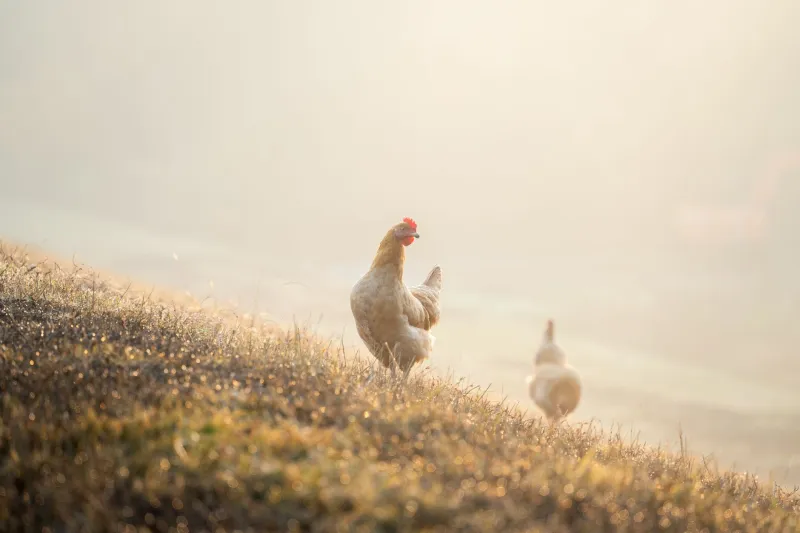
There's a particular kind of optimism that kicks in at the grocery store. You reach past the conventional eggs, grab the carton with the pastoral illustration — a red barn, a few hens strutting in sunlight — and you feel good about it. You paid more, sure, but you got something better. Right?
Maybe. But the gap between what that label implies and what it legally guarantees is wider than most shoppers realize. And if you're making purchasing decisions based on animal welfare or nutritional quality, it's worth knowing exactly what you're actually buying.
The USDA's Organic Standard: Strong on Some Things, Vague on Others
Organic certification from the USDA covers a lot of ground. Certified organic eggs must come from hens that haven't been given antibiotics or synthetic hormones, and their feed must be certified organic — no synthetic pesticides, no GMOs. That part is real, and it matters.
But here's where things get murky: the USDA organic program has historically been pretty loose about what "outdoor access" actually means. The regulations say hens must have access to the outdoors, shade, shelter, exercise areas, fresh air, clean water, and food. What they don't specify is how much outdoor space is required per bird, what the outdoor area has to look like, or how long the birds actually need to spend outside.
That's not a minor loophole. That's a barn-sized gap.
How Thousands of Birds Can Share a Tiny Concrete Porch
Under current rules, a farm can house tens of thousands of hens in a massive enclosed barn and satisfy the "outdoor access" requirement by providing a small screened porch or a concrete pad attached to the building. Some large-scale operations do exactly that. The hens technically have access to the outside — but in practice, the birds near the small openings may venture out occasionally while the vast majority of the flock never sees actual ground.
This isn't a fringe situation. It's been a documented problem in the industry for years. Back in 2017, the USDA actually tried to fix it. The Obama administration finalized the Organic Livestock and Poultry Practices (OLPP) rule, which would have set specific space requirements and clearer definitions for outdoor access. The rule was later withdrawn before it could take effect, leaving the original vague standards in place.
So right now, if you're buying eggs labeled "USDA Certified Organic" from a large national brand, there's a real chance those birds are living in conditions that wouldn't match the image on the carton.
'Pasture-Raised' Is a Different Label — But It's Also Unregulated
Here's where it gets even more confusing. "Pasture-raised" isn't actually a USDA-regulated term the way "organic" is. Any producer can put it on a carton without meeting a specific federal standard. The term sounds premium, and it often commands the highest price in the egg section, but without third-party verification, it's essentially a marketing claim.
That said, some third-party certifiers do set meaningful benchmarks. Certified Humane's pasture-raised standard requires at least 108 square feet of outdoor space per hen. The American Humane Certified program has its own requirements. These certifications actually mean something — but you have to look for them specifically, because the words "pasture-raised" alone don't guarantee they're there.
Organic and pasture-raised are also two separate claims that don't automatically travel together. A carton can be certified organic without being pasture-raised, and it can claim pasture-raised without being certified organic. The overlap exists, but you have to verify it.
Does It Affect What's in the Egg?
This isn't just an ethical question — it can be a nutritional one too. Research has suggested that hens with genuine outdoor access and a more varied diet (including insects and grasses) may produce eggs with higher levels of omega-3 fatty acids and vitamin D compared to hens raised entirely indoors. The differences aren't always dramatic, but they're not nothing either.
If you're specifically seeking eggs for their nutritional profile, the living conditions of the hen are actually relevant to what ends up on your plate. A hen spending her days in a crowded barn eating exclusively organic grain is producing a different product than one genuinely foraging outside — even if both cartons carry the organic seal.
Questions Worth Asking Before You Buy
You don't have to become a poultry investigator to make better choices here. A few targeted questions can go a long way:
Ask the retailer or brand:
- How many square feet of outdoor space does each hen have?
- Is the outdoor area actual pasture, or a concrete/gravel pad?
- What third-party certifications does this farm carry beyond USDA Organic?
- How large is the flock at this specific farm?
Look for these certifications on the carton:
- Certified Humane Pasture Raised
- Animal Welfare Approved
- American Humane Certified (with pasture-raised designation)
Smaller is often better. Smaller regional farms and local producers at farmers markets are generally more transparent about their practices, and you can often ask directly. Some even welcome farm visits. That kind of access is worth something.
The Farmers Market and Local Farm Option
If you have a farmers market nearby, the egg vendors there are frequently your best shot at eggs from hens living close to what you'd picture. Small operations don't have the infrastructure to run the kind of scaled-up confinement systems that large certified producers sometimes use. And the producers themselves are usually standing right there — you can ask them directly how many birds they run and what their setup looks like.
Direct-to-consumer farms and local food co-ops are also worth exploring. Some farms sell subscriptions or offer pickup options, and many are more forthcoming about their practices than a national brand's marketing department ever will be.
The Bottom Line for Organic Shoppers
None of this means organic eggs are a bad purchase — they're still produced without synthetic pesticides, antibiotics, or GMO feed, and that matters. But if animal welfare is part of why you're paying extra, the organic label alone isn't enough to confirm that you're getting what you think.
The most honest advice: look beyond the USDA Organic seal to third-party animal welfare certifications, pay attention to specific outdoor space claims (in square footage, not just "access"), and prioritize local or smaller-scale producers when you can find them.
Your breakfast is worth the extra sixty seconds of label reading. And the hens probably appreciate it too.