Wild vs. Farmed Organic Seafood: The Answer Is Messier Than You Think
Walk through any grocery store seafood counter and you'll notice the same marketing pattern playing out over and over. "Wild-caught" gets the prime signage, the premium pricing, the implied halo of purity. Meanwhile, farmed fish sits quietly to the side, often treated like the consolation prize. But if you're shopping with your health in mind — which, if you're here, you probably are — that assumption deserves a serious second look.
The reality of seafood sourcing in 2024 is complicated in ways the labels simply don't tell you. Wild-caught fish can be swimming through some of the most polluted water on the planet. And organic farmed seafood, while not perfect, is doing some things genuinely right. So let's untangle this thing properly.
The Ocean Isn't What It Used to Be
There's a romantic image attached to wild-caught fish — some weathered fisherman hauling nets off the coast of Alaska, the water cold and impossibly blue. And sure, that picture exists. But it shares the same ocean with industrial runoff, agricultural chemical drift, pharmaceutical waste, and an estimated 8 million metric tons of plastic entering marine ecosystems every single year.
Fish don't filter what they swim through. They absorb it. Microplastics, in particular, have become one of the more unsettling discoveries in seafood research. Studies have found microplastic particles in species ranging from tuna and swordfish to the tilapia sitting in your freezer. These particles aren't just surface-level contamination — they work their way into fish tissue, which means rinsing your fillet before cooking doesn't do much.
Mercury is the other big one. Larger, longer-lived predatory fish like shark, king mackerel, tilefish, and bigeye tuna concentrate mercury through a process called bioaccumulation — they eat smaller contaminated fish, those fish ate even smaller ones, and the mercury stacks up at each level of the food chain. The FDA and EPA have both issued guidance on limiting consumption of high-mercury fish, particularly for pregnant women and young children. That's not a fringe concern. That's a federal advisory.
So no, "wild-caught" doesn't automatically mean "cleaner."
What Organic Aquaculture Actually Looks Like
Here's where it gets interesting. The USDA does not currently have a finalized organic certification standard for seafood — which means any fish labeled "organic" in the US is operating in a regulatory gray zone. Some products carry third-party certifications, some are certified under foreign standards (the EU has established organic aquaculture regulations), and some are using the word loosely in ways that should raise eyebrows.
Legitimate organic aquaculture — the kind that's actually trying to do things differently — typically involves lower stocking densities (meaning fish aren't crammed together), restrictions on synthetic pesticides and antibiotics, and feed requirements that limit or eliminate the use of synthetic additives. In well-managed organic farms, the conditions are designed to reduce the disease pressure that makes conventional aquaculture so reliant on chemical interventions in the first place.
That matters. Conventional farmed salmon, for instance, has drawn criticism for its use of synthetic astaxanthin (the pigment that makes the flesh pink), antibiotic treatments, and sea lice infestations that can spread to wild fish populations nearby. Organic and responsibly certified alternatives address at least some of these issues.
But "organic farmed" still means farmed. Fish are still living in enclosures. Water quality, feed sourcing, and farm management practices vary widely. And because US organic seafood standards are still a patchwork, the label alone doesn't guarantee a consistent baseline.
So Which Fish Should You Actually Buy?
This is the part where a simple answer would be really convenient. Unfortunately, seafood doesn't work that way. What actually matters is a combination of species, source, and certification — not just one of those things in isolation.
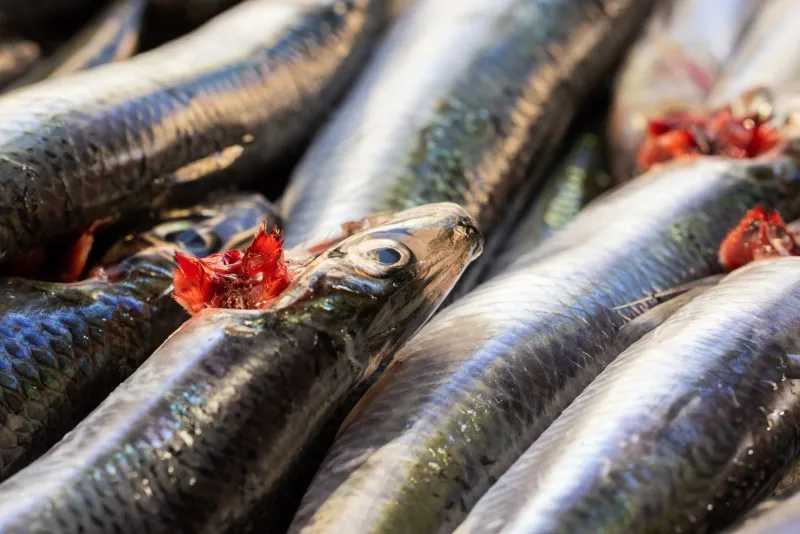
Species matters more than sourcing method for some contaminants. Smaller, shorter-lived fish like sardines, anchovies, and herring accumulate far less mercury than large predatory species, regardless of whether they're wild or farmed. If you eat a lot of fish and mercury is your primary concern, shifting toward smaller species is one of the most effective moves you can make.
Where wild-caught fish comes from makes a huge difference. Alaskan wild-caught salmon and Pacific sardines, for example, come from fisheries that are generally considered well-managed with lower contamination risk compared to fish sourced from heavily industrialized coastal regions. The Monterey Bay Aquarium's Seafood Watch program is one of the most reliable free tools available for checking specific species and sourcing regions — it's worth bookmarking.
For farmed fish, look beyond the word "organic." Third-party certifications like the Aquaculture Stewardship Council (ASC) label signal that a farm has been independently audited for environmental and social standards. It's not a perfect system, but it's more meaningful than a marketing claim with no verification behind it.
Canned options can be surprisingly solid. Canned wild-caught sardines and salmon — particularly those packed in water or olive oil with minimal additives — offer a more affordable entry point to lower-mercury, higher-omega-3 seafood without requiring you to navigate a fresh seafood counter.
The Bigger Picture for Health-Conscious Shoppers
If there's one takeaway here, it's that the seafood conversation requires the same kind of critical thinking you'd apply to any other food label. "Wild-caught" is a sourcing descriptor, not a safety guarantee. "Organic" in seafood is a spectrum with no universal federal definition behind it yet. And "natural" — well, we've covered that one before.
What you can do is get specific. Ask your fishmonger where the fish came from and whether it carries any third-party certification. Use the Seafood Watch guide when you're shopping online or at the store. Diversify the species you eat so you're not over-relying on any single fish. And if you're buying packaged seafood, look for certifications that have actual auditing processes behind them rather than just appealing language on the front of the box.
The goal of eating clean seafood is worth pursuing. It just requires a little more nuance than the wild-caught label suggests — and a willingness to ask better questions than the industry is used to answering.