Grass-Fed Beef: The Marketing Story vs. What's Actually Happening on the Farm
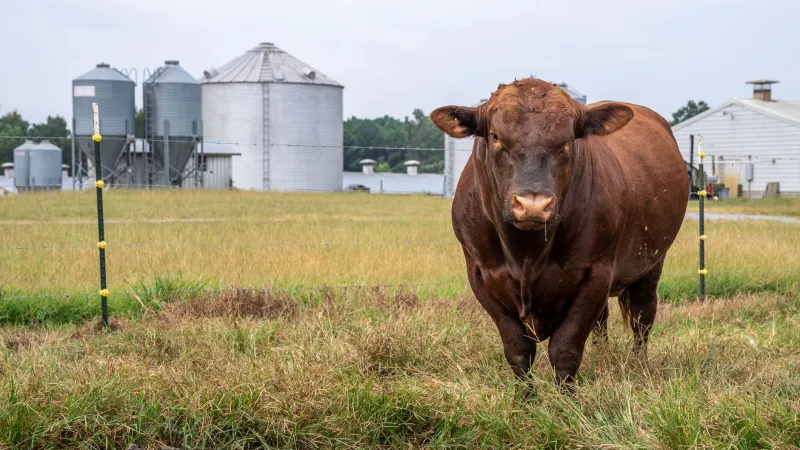
Walk through any grocery store meat section and you'll see it everywhere — "grass-fed," "grass-finished," "pasture-raised," sometimes all three on the same package. It sounds clean, simple, and honest. Cows eating grass. The way nature intended. You pay a little more, feel good about the choice, and move on.
Except the story isn't that clean. Not even close.
The gap between what "grass-fed" marketing implies and what it actually verifies is wide enough to drive a cattle truck through. And if you're spending real money on premium beef — which a lot of health-conscious shoppers absolutely are — you deserve to understand what you're actually buying.
The Grass-Fed Label Has a Loophole Problem
Here's the uncomfortable starting point: in the United States, "grass-fed" is not a tightly regulated federal term for beef sold at retail. The USDA had a grass-fed marketing standard for years, but it was withdrawn in 2016. What that means in practice is that beef producers can use the term with relatively loose oversight, depending on how and where they're selling.
Some third-party certifiers have stepped in to fill that gap — organizations like the American Grassfed Association (AGA) and Global Animal Partnership (GAP) have their own standards — but certification is voluntary. Plenty of beef carrying a grass-fed claim on the package has never been independently verified by anyone.
So what does that mean for the beef in your cart? It depends entirely on which producer you're buying from and whether they've bothered to get certified.
Grass-Fed vs. Grass-Finished: A Distinction That Actually Matters
This is where a lot of shoppers get tripped up. Almost all beef cattle spend at least part of their lives eating grass — that's just how young cattle are raised before entering a feedlot. "Grass-fed" without the word "finished" attached to it doesn't necessarily mean the animal ate grass its entire life.
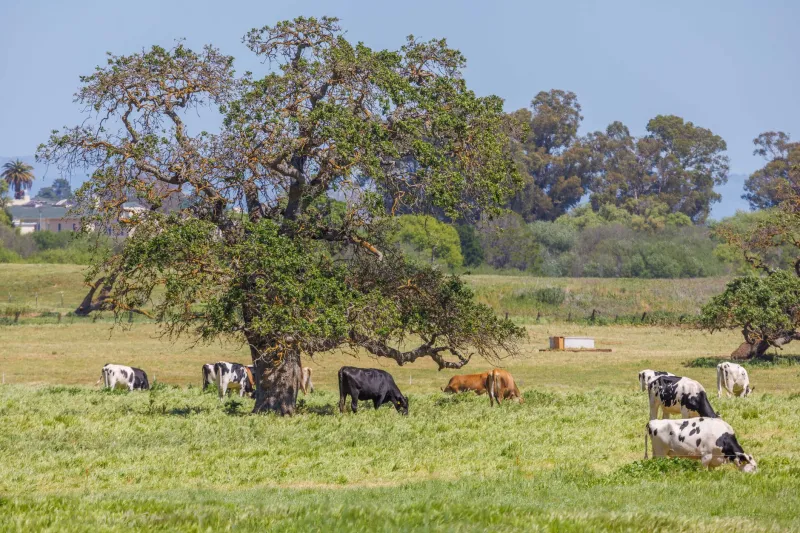
Grass-finished beef is the version most people picture when they hear the marketing: cattle that spent their entire lives on pasture, eating grass and forage right up until processing. That's a genuinely different product, both in terms of how the animal was raised and in its nutritional profile.
Beef that's grain-finished — even if it started on grass — tends to have a different fat composition. Grass-finished beef is generally higher in omega-3 fatty acids and conjugated linoleic acid (CLA), a fat that's gotten attention for potential health benefits. Grain-finished beef, by contrast, tends to be higher in omega-6 fatty acids. Neither is poison, but they're not nutritionally identical, and the difference matters if part of why you're buying grass-fed is for the nutritional upside.
Seasonal Grain Finishing: The Industry's Open Secret
Even operations that genuinely intend to raise grass-fed cattle sometimes resort to grain supplementation during winter months or drought conditions when pasture quality drops. It's not always malicious — grass simply doesn't grow the same way year-round in most of the US, and some producers quietly bridge that gap with grain without changing their marketing language.
This practice is more common than the industry tends to advertise. The result is beef that spent most of its life on pasture but got a grain top-off before processing — which affects the nutritional profile and, to some extent, the environmental calculus that makes grass-fed appealing in the first place.
Certification from AGA or similar organizations specifically prohibits this kind of finishing. If you're buying uncertified grass-fed beef, you're largely taking the producer's word for it.
Regenerative vs. Conventional Grass-Fed: Not the Same Thing
Here's a layer that even engaged consumers often miss. There's a meaningful difference between a conventional grass-fed operation and one that's practicing regenerative grazing — and the environmental impact between the two can be significant.
Conventional grass-fed farming can still involve overgrazing, soil degradation, and water issues. Cattle on pasture aren't automatically good for the land just because they're not in a feedlot.
Regenerative grass-fed operations, by contrast, use managed rotational grazing to actively improve soil health. The idea is that well-managed grazing mimics the movement patterns of wild herbivores, which can rebuild topsoil, improve water retention, and even sequester carbon. These farms are often working toward certification through programs like Savory Institute's Land to Market or Regenerative Organic Certified (ROC).
If the environmental argument is part of why you're reaching for grass-fed beef, the distinction between these two types of operations matters enormously. A grass-fed label alone doesn't tell you which kind of farm you're supporting.
What the Certifications Actually Verify
Since the label alone isn't reliable, here's a quick breakdown of what different certifications actually check:
American Grassfed Association (AGA): Requires that animals are fed only grass and forage from weaning to harvest, with no confinement and no antibiotics or hormones. Third-party audited. This is one of the stronger standards available.
Global Animal Partnership (GAP): A tiered system (Steps 1–5+) focused on animal welfare. Higher steps require meaningful outdoor access and pasture. Doesn't specifically require grass-finishing, so it's worth checking the step level.
USDA Organic + Grass-Fed: USDA Organic certification covers feed, antibiotic use, and living conditions but doesn't on its own guarantee grass-finishing. When you see organic and a third-party grass-fed certification together, that's a stronger combination.
Regenerative Organic Certified (ROC): Covers soil health, animal welfare, and farmer fairness. Currently rare but represents a higher bar for holistic farming practices.
The honest answer is that no single label covers everything. Looking for products that carry both an organic certification and a credible third-party grass-fed or regenerative certification gives you the most reliable picture.
How to Actually Shop Smarter at the Meat Counter
None of this means you need to give up on grass-fed beef or feel paralyzed every time you're standing in the meat aisle. It just means being a little more strategic about where you spend the premium.
A few practical moves:
- Look for AGA certification if grass-finishing and no-grain practices matter to you nutritionally.
- Buy directly from local farms when possible. Farmers markets and CSA meat shares often let you ask questions directly — most small-scale grass-fed producers are happy to talk about their practices.
- Check the producer's website before buying a packaged product. Legitimate grass-fed operations are usually transparent about their grazing practices and will tell you whether they finish on grain seasonally.
- Don't assume "natural" means anything. That word on a meat label is essentially unregulated and tells you almost nothing.
- Consider buying less, but better. If budget is a factor, eating grass-finished beef less frequently from a verified source is a more meaningful choice than buying cheaper, uncertified grass-fed beef more often.
The Bottom Line
Grass-fed beef can be a genuinely better choice — better for the animal, potentially better for your nutritional intake, and better for the land when it's done right. The problem is that "grass-fed" as a marketing term has been stretched far enough that it no longer automatically delivers on any of those promises.
The gap between the label and the reality isn't a reason to write off the category. It's a reason to dig one layer deeper before you buy. A little label literacy goes a long way — and at the prices grass-fed beef commands, you've more than earned the right to know exactly what you're paying for.