Vitamins or Vaporware? What's Really Inside Your Organic Supplement Bottle
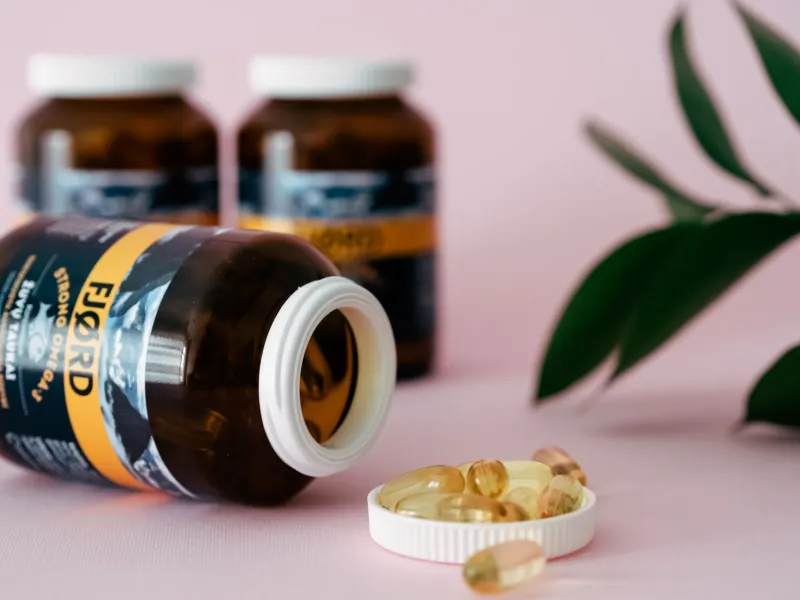
Walk into any health food store — or scroll through any wellness-forward website — and you'll see them everywhere. Amber glass bottles. Earthy fonts. Words like adaptogenic, whole-food-sourced, and certified organic printed in reassuring greens and creams. These supplements look like serious business. They're priced like serious business. But are they actually delivering anything serious?
The uncomfortable answer: sometimes yes, often no, and the gap between those two outcomes is almost impossible to see from the outside.
The Supplement Industry Doesn't Play by the Same Rules
Here's the thing most people don't realize when they're dropping $45 on a bottle of organic ashwagandha capsules — supplements in the US are not regulated the way drugs are. The FDA does not review or approve supplements before they hit shelves. Under the Dietary Supplement Health and Education Act of 1994 (DSHEA), the burden of proving a product is unsafe falls on the government, not the company selling it.
That means a brand can launch a product, make vague-but-compelling health claims, and sell it to millions of people before anyone looks too closely at what's actually in the bottle. The FDA can step in after the fact if serious harm is reported — but by then, a lot of wallets have already been emptied.
This isn't a fringe problem. The supplement industry in the US is worth well over $50 billion annually, and independent testing has repeatedly found products that contain less of an active ingredient than the label claims, more of something the label doesn't mention, or in some cases, basically none of what they're advertising.
What 'Organic' Actually Means on a Supplement Label
If you're buying supplements specifically because they're labeled organic, it's worth understanding what that certification is — and isn't — telling you.
USDA organic certification on a supplement means the ingredients were grown without synthetic pesticides, GMOs, or certain fertilizers. That's genuinely meaningful if, say, you're buying an herbal supplement made from plants that would otherwise be heavily sprayed. Choosing an organic turmeric supplement over a conventional one? That distinction makes real sense.
But organic certification says absolutely nothing about:
- Whether the active ingredient is present at a therapeutic dose
- Whether the body can actually absorb it in the form it's delivered
- Whether the health claims on the label have any clinical backing
- What fillers, binders, or flow agents are also in the capsule
A supplement can be certified organic and still be a completely ineffective product. The certification is about agricultural sourcing, not efficacy. These are two very different things, and the marketing blurs that line constantly.
The Filler Problem Nobody Talks About
Open up a capsule from a budget supplement brand and a premium one, and you might be surprised how similar they look. That's partly because many supplements — even expensive ones — contain a significant percentage of what's called excipients: binders, fillers, anti-caking agents, and coatings that have nothing to do with the active ingredient.
Some of these are harmless. Others are less clear-cut. Magnesium stearate, silicon dioxide, and titanium dioxide show up in products across price points, including some that market themselves as clean or natural. A few of these additives have raised questions in the research community, though they're generally considered safe at the levels used in supplements.
The real issue isn't that fillers are inherently evil — it's that their presence isn't always disclosed clearly, and consumers paying a premium for a "pure" product often have no idea they're getting them.
Third-Party Testing: The One Signal That Actually Matters
If there's one thing worth looking for on a supplement label, it's third-party testing verification. Organizations like NSF International, USP (United States Pharmacopeia), and ConsumerLab independently analyze supplements and verify that:
- The product contains what the label says it does
- It doesn't contain harmful contaminants like heavy metals or pesticides
- It will actually dissolve properly in your body
These seals aren't perfect, and they don't evaluate whether a supplement will actually work for you — but they at least confirm you're getting what you paid for. A brand that invests in third-party verification has put its product on the line in a way that brands relying solely on their own internal testing haven't.
Here's the frustrating reality: many of the most aggressively marketed organic supplement brands — the ones with the most beautiful packaging and the most compelling Instagram presence — don't carry these certifications. Meanwhile, some less glamorous brands that don't spend much on marketing do.
Price is not a reliable proxy for quality. At all.
A Practical Framework for Buying Smarter
You don't have to abandon supplements entirely, and you don't have to become a biochemist to make better choices. A few habits can dramatically improve your odds of buying something that's actually worth it.
Look for third-party seals before anything else. NSF Certified for Sport, USP Verified, or a ConsumerLab approval are your best starting points. If a product doesn't have one of these, treat its claims with skepticism.
Search the brand on ConsumerLab.com. This independent testing organization publishes results on hundreds of supplement brands. Some of their reports require a subscription, but even the free summaries are illuminating.
Match the form to the function. Bioavailability — how well your body absorbs a nutrient — varies dramatically by form. Magnesium glycinate absorbs better than magnesium oxide. Methylfolate is more usable than folic acid for many people. A supplement with a lower dose of a highly bioavailable form can outperform a higher-dose product in a less absorbable form.
Read the Supplement Facts panel, not just the front label. The front is marketing. The back is (at least partially) regulated. Look at the actual dose of the active ingredient and compare it to what research suggests is effective.
Be skeptical of proprietary blends. When a label lists a "blend" with a total weight but doesn't break out individual ingredient amounts, that's a red flag. It's a legal way to include trace amounts of expensive or trendy ingredients while featuring them prominently on the label.
The Bottom Line
The organic supplement space has a lot of genuinely good products in it — but it also has a staggering amount of beautifully packaged wishful thinking. The label calling something "whole-food-sourced" or "certified organic" is a starting point for evaluation, not a finish line.
At Purely Organics, we're big believers in the value of clean, chemical-free living. But clean sourcing and actual effectiveness are two different conversations, and conflating them is exactly what the supplement industry is counting on consumers to do.
Ask harder questions. Look for independent verification. And remember that the most expensive bottle on the shelf is sometimes just the one with the best graphic designer.