Organic Kibble, Zero Guarantees: What the Green Seal on Your Pet's Food Doesn't Promise

Photo: Slyronit, CC BY-SA 4.0, via Wikimedia Commons
The bag costs $74. It has a leaf on it, the word organic in a serif font, and a photograph of a dog running through a meadow that almost certainly does not exist. You are standing in a pet store aisle doing mental math about whether this is better for your dog or just better for the store's margins.
Both are possible. Organic pet food is one of the fastest-growing premium segments in the category, and the certification behind it is genuine — it involves real inspections and real rules. The problem is that those rules answer a different question than the one most owners are actually asking.
Two promises that get mashed together
When you buy pet food, you are really evaluating two separate things.
Is it organic? That is an agricultural question about how crops were grown and how livestock were raised.
Is it nutritionally complete? That is a formulation question about whether the food delivers the right balance of protein, fat, vitamins, and minerals for a specific life stage.
A product can be certified organic and still be nutritionally incomplete. A product can be perfectly complete and balanced with zero organic ingredients. The green seal answers the first question and says nothing about the second.
What USDA Organic actually covers
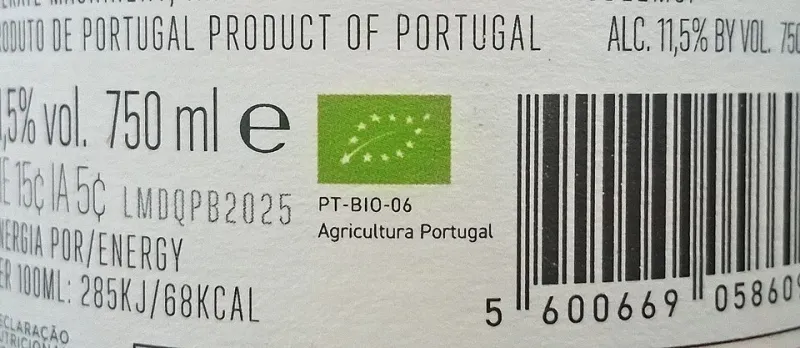
Pet food carrying the USDA seal is certified under the same National Organic Program standards applied to human food, verified by an accredited certifying agent with annual inspections. The tiers work like this:
- '100% Organic' — all ingredients organic, excluding water and salt.
- 'Organic' — at least 95% organic ingredients by weight, excluding salt and water.
- 'Made with Organic ___' — at least 70% organic ingredients; the USDA seal cannot appear on the package.
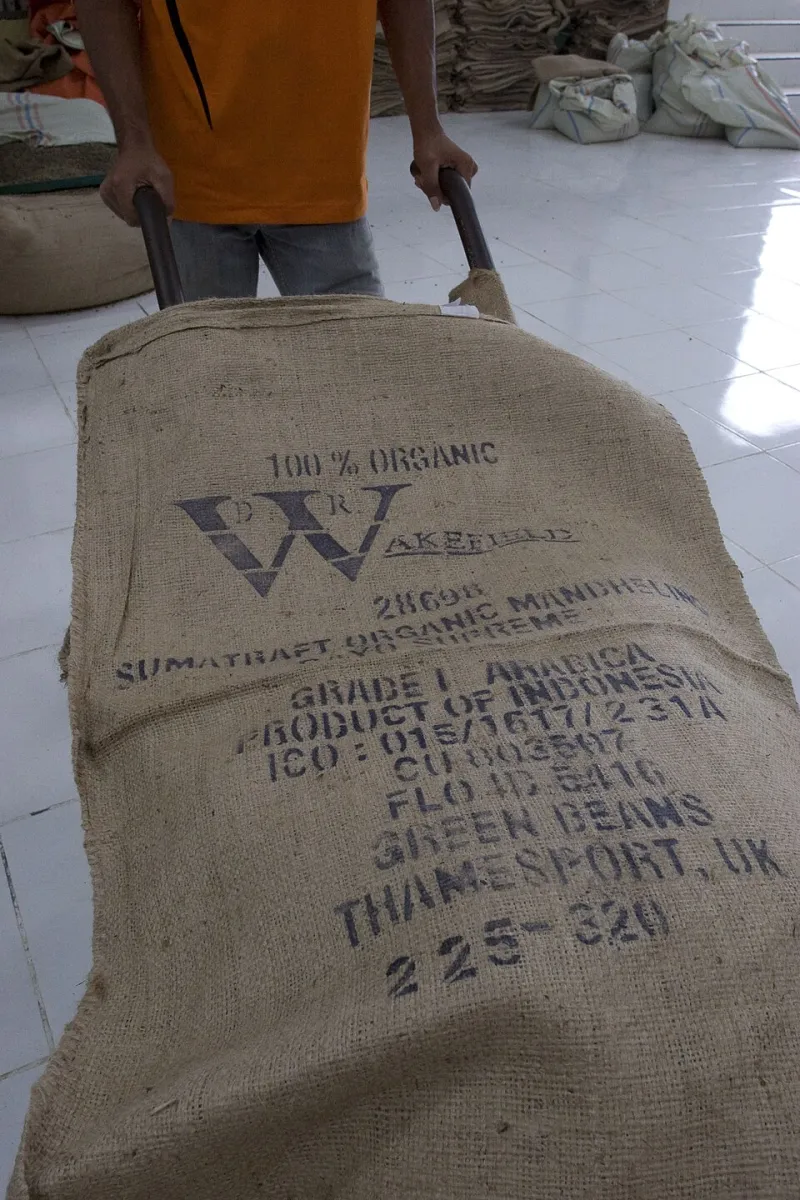
For an ingredient like chicken to be labeled organic, the bird had to be raised on organic feed, given outdoor access per the rule, and managed without antibiotics or synthetic pesticides. That is a meaningful set of standards, and it is why organic chicken meal costs what it does.
What the standard does not do is set minimum protein levels, dictate calcium-to-phosphorus ratios, or require feeding trials. Those live somewhere else entirely.
AAFCO is the part that affects your dog's health
AAFCO — the Association of American Feed Control Officials — publishes the nutrient profiles that states use in their feed laws. It is not a regulator, but its standards are the reference point for essentially every pet food sold in the US.
The single most important thing on any bag is the nutritional adequacy statement. Look for a sentence that says the food is 'complete and balanced' for a specific life stage: gestation and lactation, growth, adult maintenance, or all life stages.
There are two ways a manufacturer can get there. Formulation means the recipe was calculated to meet the AAFCO nutrient profile on paper. Feeding trials mean actual animals were fed the food under a defined protocol. Both are legal; feeding trials are generally considered the stronger evidence, and most bags will tell you which route was used.
If you see 'for intermittent or supplemental feeding only,' that food is not complete. It is a topper, not a diet. And if you are layering organic treats on top of dinner, keep them under roughly 10% of daily calories so you don't unbalance a carefully formulated kibble.
Where the premium gets thin
Sourcing stays fuzzy. Organic certification says how an ingredient was produced, not where. Organic chicken can be raised outside the US. If domestic sourcing matters to you, the bag likely won't tell you — you'll need to call or email the manufacturer.
Ingredient order rewards water. Fresh chicken is about 70% water, so it can legally sit at the top of the ingredient list while contributing less protein by weight than a chicken meal listed further down. Watch for ingredients split into fractions (chicken, chicken broth, chicken fat) to push a grain lower on the list.
'Human-grade' is a different claim. It is about facility and handling standards, not farming practices. A food can be human-grade without being organic, and organic without being human-grade.
Recalls don't skip premium brands. Check the FDA's recall database for the manufacturer, not just the brand name — many brands share co-packers. A quick search before you commit to a 25-pound bag is worth five minutes.
Price per pound is the wrong metric. Kibble density varies wildly. A dense food with more calories per cup may cost less per day than a cheaper bag you have to feed twice as much of. Compare metabolizable energy (kcal/kg) on the guaranteed analysis, not bag weight.
The checklist worth running in the aisle
- Find the AAFCO nutritional adequacy statement and confirm the life stage matches your pet.
- Note the organic tier — 95% 'Organic' and '100% Organic' are the strong claims; 'made with organic' is a 70% claim without the seal.
- Identify the first named animal protein and whether a meal form is included.
- Compare guaranteed analysis and calorie density against what your pet currently eats.
- Find the manufacturer's name and address. 'Distributed by' means someone else makes it.
- Check the lot code and best-by date — a dusty bag near its date is not a bargain.
- Plan a slow transition, seven to ten days mixing old and new, especially if you're changing protein sources.
So is it worth it?
If organic farming practices matter to you on their own terms — the same reasons you might buy organic eggs or produce — then paying for certified organic pet food is a coherent choice, and the certification is not fake. Just don't buy it expecting a nutrition guarantee.
Treat the green seal as a tiebreaker between two foods that are both complete and balanced for your pet's life stage. If it's the only thing you check, you could end up paying $74 for a bag that is beautifully farmed and nutritionally wrong for your dog. And before any major diet change — especially for a puppy, a senior, or a pet with a medical condition — a quick call to your vet beats anything printed on the front of the bag.