Single-Origin, Schmingle-Origin: Decoding Greenwashing in Your Coffee, Tea, and Chocolate
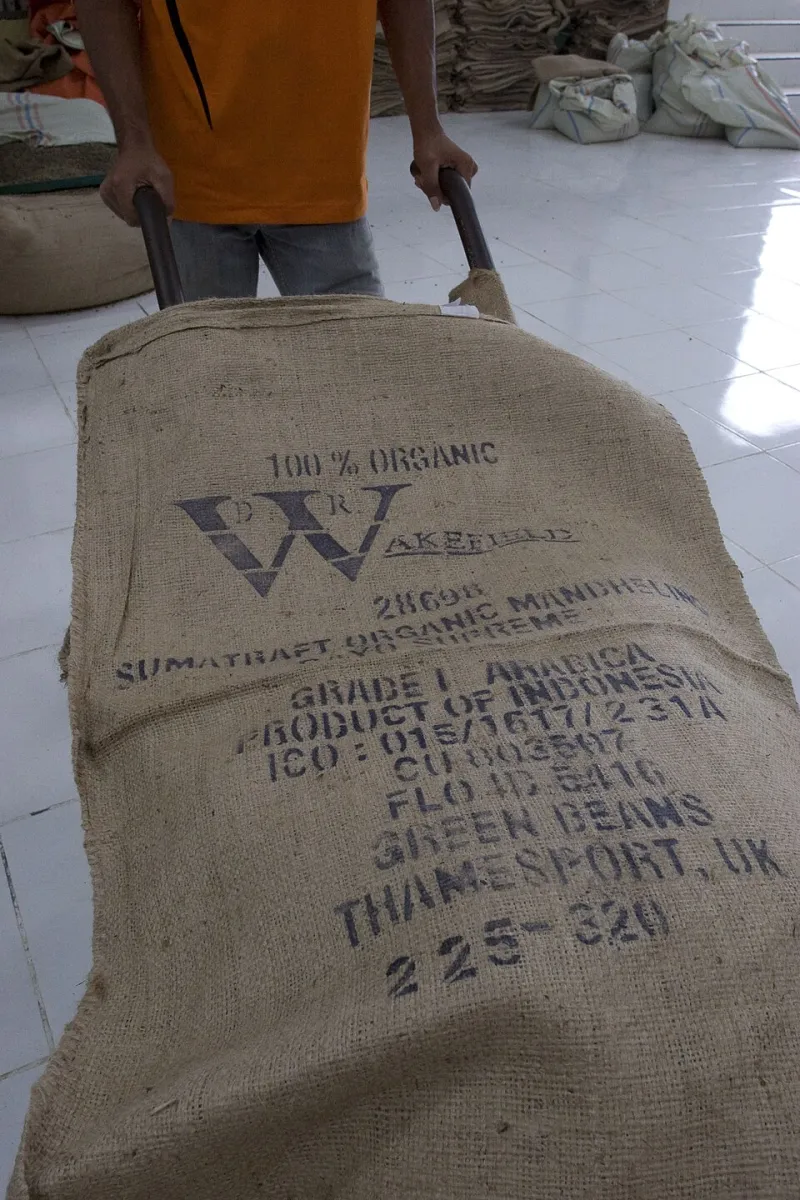
Photo: USAID Indonesia, Public domain, via Wikimedia Commons
Stand in the coffee aisle for five minutes and count the buzzwords. Single-origin. Ethically sourced. Naturally processed. Handcrafted. Earth-friendly. The packaging looks like it was designed by someone who lives in a yurt and plants trees recreationally.
Coffee, tea, and chocolate are the greenest-washed categories in the grocery store, and it's not an accident. They're indulgences — small, affordable luxuries where a feel-good story justifies a higher price. They're also globally sourced commodities with genuinely serious ethical and environmental problems, which makes consumers anxious, which makes them vulnerable to a pretty leaf on a bag.
Here's how to read the aisle without getting played.
The Buzzwords That Mean Nothing (Legally Speaking)
"Ethically sourced." No legal definition. No verification. Anyone can print it. It's the phrase companies reach for when they don't have a certification to point to.
"Naturally processed." In coffee, "natural process" is actually a legitimate technical term — it means the coffee cherry was dried with the fruit intact rather than washed off. But most shoppers don't know that, which is exactly why it gets slapped on packaging as vague eco-vibes. It says nothing about pesticides or labor practices.
"Single-origin." This just means the beans or cacao come from one place rather than a blend. It's a flavor and traceability claim, not an ethical or environmental one. A single farm can still underpay workers and spray aggressively.
"Handcrafted," "artisan," "farm-direct." Unregulated. Unverifiable. Decorative.
The Certifications That Actually Carry Weight
Not all seals are equal. Three are worth your attention:
USDA Organic. The gold standard for the pesticide question, and it's independently verified with annual inspections. For coffee, tea, and cacao — crops often grown with heavy chemical inputs in their conventional forms — this seal does real work. It does not, however, guarantee fair labor practices.
Fair Trade (or Fairtrade International). The strongest widely available claim on the labor side: minimum prices for farmers, community development premiums, and audited standards. It says little about agrochemicals, which is why Fair Trade and Organic together is the actual jackpot.
Rainforest Alliance. A legitimate third-party audit covering environmental and some social standards, though critics reasonably note its requirements are less stringent than Fair Trade's price floors. Better than a bare label; not the ceiling.
Worth knowing: "Direct trade" — popular in specialty coffee — has no certification behind it at all. Sometimes it genuinely means a roaster pays farmers above-market rates. Sometimes it means nothing. Without published pricing, you're taking the brand's word for it.
Category-Specific Reality Checks
Coffee: Conventional coffee is one of the most chemically treated crops on earth, and because you brew the bean directly, it's a category where organic genuinely matters. Look for USDA Organic plus Fair Trade or Rainforest Alliance, and buy whole bean — pre-ground coffee in bags stales fast regardless of its virtues.
Tea: Here's the uncomfortable one: conventional tea bags can shed microplastics and pesticide residues, and studies have repeatedly found detectable residues in non-organic tea. Loose-leaf organic tea is usually the same price per cup as decent bagged tea and sidesteps both issues. Also check the bag itself — plastic "silken" pyramid bags are the worst offenders.
Chocolate: Dark chocolate has a persistent heavy metal problem — cadmium and lead show up in consumer testing regularly, and no certification fully eliminates it. Organic and Fair Trade certifications still matter here (for pesticides and labor), but sourcing region matters more: cacao from Latin America tends to run higher in cadmium than cacao from parts of West Africa and Asia. Brands that publish heavy-metal testing results are telling you something about their priorities.
Building a Clean Ritual Without the Markup
You don't need to triple your spending. A few moves:
- Buy store-brand or co-op organic coffee with the two key seals — often 30–40% less than boutique roasters with identical certifications.
- Switch to loose-leaf tea in bulk. Per cup, it frequently beats bagged organic tea.
- Spend on chocolate where it counts — one excellent certified bar enjoyed slowly beats three forgettable ones.
- Check brand websites for transparency reports. Companies publishing sourcing prices and lab results have earned some trust; companies leaning on adjectives have not.
The morning cup and the after-dinner square should be pleasures, not moral mazes. The shortcut is simple: trust seals with auditors behind them, ignore adjectives, and remember that the prettiest leaf on the package is usually doing more work than the supply chain underneath it.