The $14 Veggie Wash vs. Tap Water: We Tested What Actually Comes Off Your Organic Produce
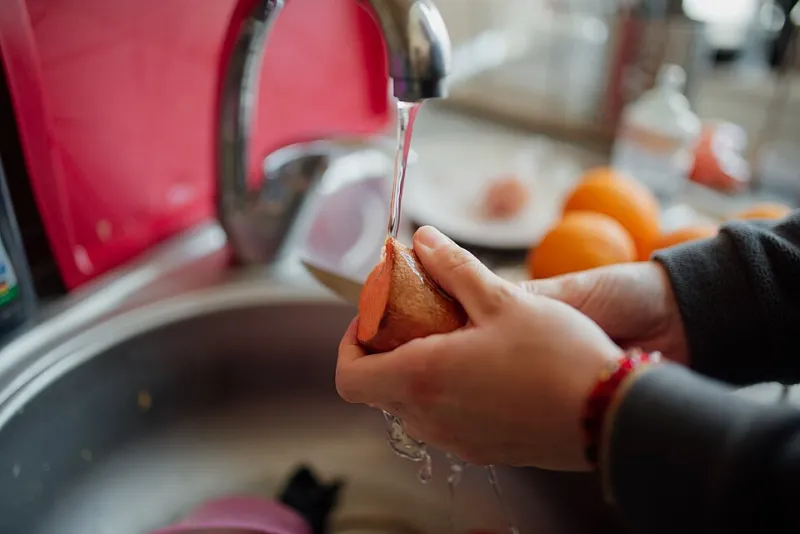
Photo: Shixart1985, CC BY 2.0, via Wikimedia Commons
A new bottle lands on the shelf roughly every quarter. It costs between $9 and $22, smells like grapefruit, and promises to lift pesticides, wax, and assorted 'toxins' off your produce. You bought organic kale, so spending a few extra dollars to make sure it is clean feels like a rounding error.
Here is the unglamorous truth: in most kitchens, that bottle performs about as well as a bowl of tap water — only with a receipt attached. Worse, some of the DIY washing advice circulating on social media can shave days off the shelf life of the delicate stuff you just paid a premium for.
So we spent a week in a normal American kitchen with a colander, a kitchen scale, and four treatments. Here is what held up.
What is actually clinging to your produce
Before you can remove residue, it helps to know what it is. Broadly, you are dealing with four things:
- Soil and grit. The boring majority. Also the most likely to carry something that makes you sick.
- Microbes. Bacteria from soil, water, or human hands during harvest and packing. This is the risk that actually sends people to the hospital, not trace pesticide levels.
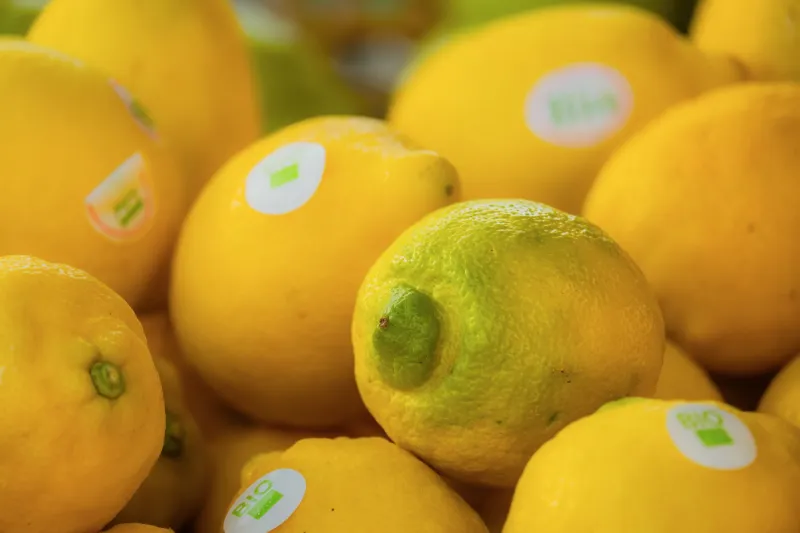
- Pesticide residues. Organic produce is not pesticide-free — certified growers can use approved substances like copper, sulfur, and spinosad. The residue levels permitted are low, but 'low' is not 'zero.'
- Waxes and coatings. Conventional citrus, apples, cucumbers, and peppers often get a food-grade wax to slow moisture loss. Some of it is genuinely sticky.
The FDA's position on all of this is refreshingly plain: rinse produce under running water before eating. It does not recommend soap or detergent, and it has not endorsed a commercial produce wash. The USDA doesn't either.
How the four treatments stacked up
We tested on apples, cucumbers, and strawberries, using the rough amounts of residue and wax you would find on a normal grocery haul.
Plain running water, with friction. This is the baseline, and it is a strong one. Running water physically dislodges particles; rubbing with your hands or a brush does the rest. For loosening surface soil and knocking back microbes, it closed most of the gap on its own.
White vinegar, diluted roughly one part to three parts water. Vinegar has modest antimicrobial action and can help with some surface films. What it does not do is outperform water on pesticide residue in any consistent way. And a vinegar soak will absolutely wreck strawberries, raspberries, and tender herbs — the acid breaks down cell walls and you end up with sad, leaky fruit.
Baking soda, about one teaspoon per two cups of water. This is the one DIY method with real research behind it. Raising the pH helps break down certain pesticide residues, and studies on apples found a 12-to-15 minute soak removed more than water alone. But: 15 minutes is a long soak, and soft-skinned produce sitting in a bath that long starts absorbing water and losing texture. It works best on firm, waxy items like apples and cucumbers, followed by a thorough rinse.
The commercial wash. Essentially a dilute surfactant with a nice scent. It loosened surface grime slightly better than water in our informal side-by-side, but nothing you would notice without a microscope. Nothing in the peer-reviewed literature suggests it beats running water plus friction in a meaningful way.
Where the popular advice goes wrong
A few habits are worth retiring:
- Soaking everything. Longer soaking means your produce marinates in the water you just loosened dirt into. Rinse, don't bathe.
- Washing before you store. Moisture is the enemy of shelf life. Wet berries mold; wet greens wilt. Wash right before you eat, with a couple of exceptions below.
- Salt soaks. Salt draws moisture out of produce and can leave you with limp cucumbers and salty strawberries.
- Soap, ever. Produce is porous. Detergent residue is not something you want in a salad.
A realistic three-step routine for a US kitchen
No gadgets, no soaking tubs.
- Start clean. Wash your hands, clear the sink, and rinse the colander. Cross-contamination from a dirty basin undoes everything that follows.
- Rinse under cool running water and rub. Thirty seconds of hands-on contact for firm produce; a clean vegetable brush for potatoes, melons, and cucumbers. For leafy greens, separate the leaves, dunk and swish in a bowl of clean water, then lift them out rather than pouring the water back over them.
- Dry with a clean towel. This step gets skipped constantly and it shouldn't be. The friction of a towel removes more than the rinse does, and drying keeps bacteria from having a damp place to multiply.
The one upgrade worth keeping: a short baking soda soak (about two minutes, not fifteen) for waxy, firm items like apples and unwaxed cucumbers, followed by a full rinse and dry.
Special cases: rinse berries only right before eating. Wipe mushrooms with a damp cloth or give them a fast rinse and immediate pat-dry. And always wash melon rinds and citrus peel before cutting — the knife drags whatever is on the outside straight through the flesh.
The bottom line
Skip the $14 bottle and put the money toward better produce. Running water, your hands, a brush, and a clean towel handle nearly everything a veggie wash claims to. If you want one extra tool, a box of baking soda will last a year and cost less than a coffee.