Certified Organic Beef, Hidden Contaminants: What the Label Still Can't Promise You
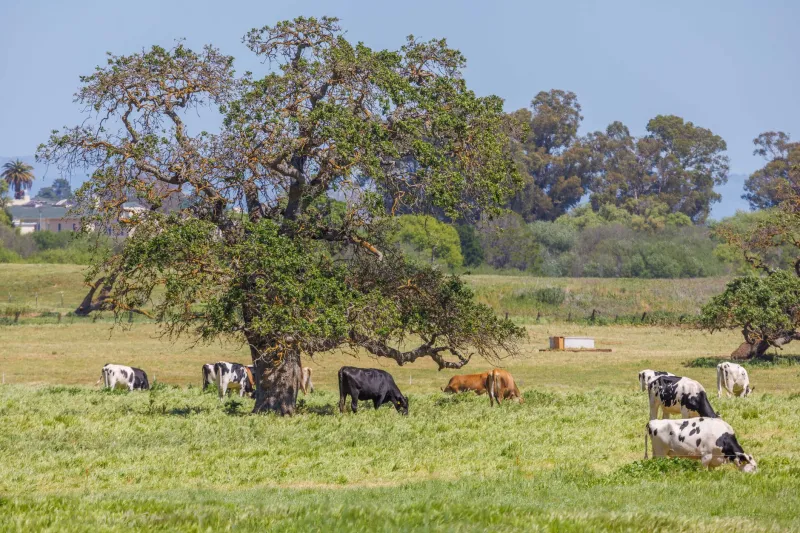
There's a certain comfort that comes with dropping a certified organic grass-fed roast into your cart. You've done the research, paid the premium, and made the "right" choice. The label says organic. The cows ate grass. What else is there to worry about?
As it turns out, quite a bit.
This isn't a knock on organic farming — it genuinely is better in most meaningful ways. But the USDA Organic seal certifies how an animal was raised, not what ended up inside it. And that distinction matters more than most of us realize.
The Soil Problem Nobody Talks About
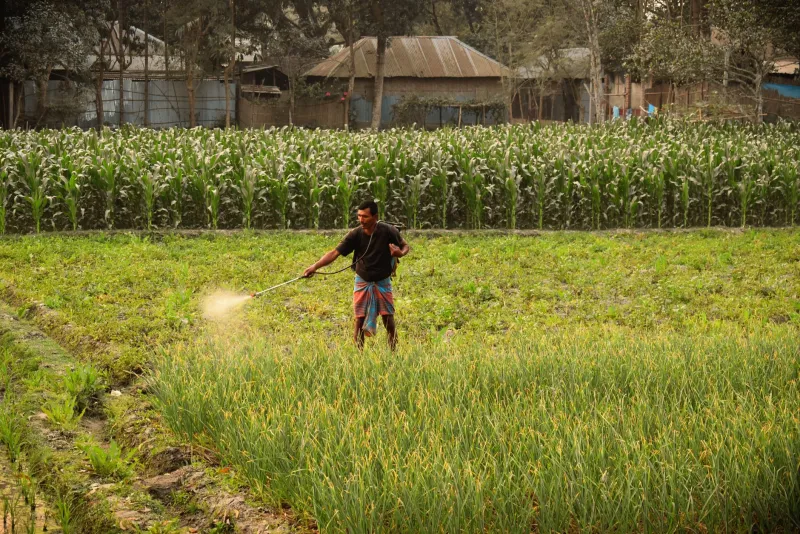
Grass-fed cattle spend their lives grazing on pastureland. That sounds idyllic, and often it is. But pastureland doesn't exist in a vacuum. Decades of industrial farming, mining activity, and atmospheric deposition have left heavy metals — cadmium, lead, arsenic, mercury — embedded in soils across wide swaths of the United States.
Organic certification prohibits synthetic fertilizers and pesticides, but it doesn't require farms to test for pre-existing heavy metal contamination in the soil. So when cattle graze on land that was conventionally farmed 20 years ago, or sits downwind of an industrial corridor, they're absorbing whatever the grass pulled from the ground.
A 2023 review published in Environmental Science & Technology found detectable levels of cadmium and lead in a meaningful percentage of grass-fed beef samples — including products from certified organic operations. The levels were generally low, but they were there. And for people eating grass-fed beef several times a week as part of a "clean" diet, low-level daily exposure adds up.
Microplastics: The Contaminant That Doesn't Care About Your Certification
Here's the uncomfortable truth about microplastics: they're everywhere. In the ocean, in the soil, in the air, and increasingly, in animal tissue.
Research from the University of Vienna and subsequent studies have confirmed microplastic particles in beef, chicken, and pork samples from multiple countries. These particles come from degraded plastic waste in pastures, plastic-lined water troughs, and even airborne deposition — tiny fragments that drift onto open fields and get ingested by grazing animals.
Organic certification has no mechanism to screen for or prevent microplastic contamination. A cow raised on pristine organic pasture in a rural area is still breathing air and drinking water that may carry microplastics. The particles accumulate in muscle tissue, and they end up on your plate.
This isn't a reason to abandon organic meat. It's a reason to stop treating the label as a complete guarantee of purity.
Persistent Organic Pollutants: The Legacy Chemicals
PCBs, dioxins, and certain pesticide residues fall into a category called persistent organic pollutants, or POPs. They were banned or restricted decades ago, but they don't break down easily. They accumulate in fat tissue — in soil, in animals, in us.
Because grass-fed beef tends to be leaner than grain-finished beef, it actually carries fewer fat-soluble POPs on average. That's a genuine advantage. But "fewer" isn't "none." Animals raised in regions with historical industrial activity, or on land previously used for conventional agriculture, can still carry measurable POP loads even under organic management.
Conventional testing panels used by most third-party certifiers don't routinely screen for the full spectrum of POPs. They're expensive tests, and the regulatory framework doesn't require them.
So What Should You Actually Look For?
None of this means you should abandon the organic meat aisle. It means you should go deeper than the label. Here are the things that genuinely move the needle:
Farm location and land history. Farms that have operated organically for 10+ years on land with no prior industrial use are meaningfully lower-risk. Many small producers are happy to share this information — just ask.
Regenerative certification. Labels like the Savory Institute's Land to Market verification or Regenerative Organic Certified (ROC) go beyond USDA Organic standards and often include soil health testing. Healthier soil biology tends to mean lower heavy metal bioavailability.
Direct-from-farm sourcing. Farmers' markets, CSA meat shares, and direct farm websites let you ask questions that a grocery store label never can. How long has this land been farmed organically? Do you test your water source? What's your pasture rotation look like?
Nose-to-tail eating and moderation. Organ meats concentrate certain compounds more than muscle meat. Liver, for instance, is a filtration organ — it can carry higher heavy metal loads. Eating a varied diet rather than heavy daily portions of any single meat product naturally limits exposure.
Leaner cuts from grass-fed sources. Since many persistent pollutants accumulate in fat, choosing leaner cuts reduces fat-soluble contaminant exposure even when you can't verify a farm's full history.
The Bigger Picture
Certified organic meat is still one of the better choices you can make at a conventional grocery store. The animals are raised without synthetic hormones or routine antibiotics, on feed that hasn't been treated with synthetic pesticides, with more humane living conditions. That matters — for your health, for animal welfare, and for the ecosystems those farms touch.
But clean living isn't about finding a single label and trusting it completely. It's about understanding what labels can and can't tell you, and filling in the gaps with your own curiosity. The best protection isn't a seal on a package. It's knowing your farmer, varying your sources, and staying honest about the fact that in a world where contaminants travel through air and water and soil, no food is perfectly pristine.
The goal isn't perfection. It's making informed choices that genuinely reduce your exposure over time — and that's something a label alone will never fully do for you.