Not All Natural Is Safe: The Surprising Truth About Organic-Approved Pesticides
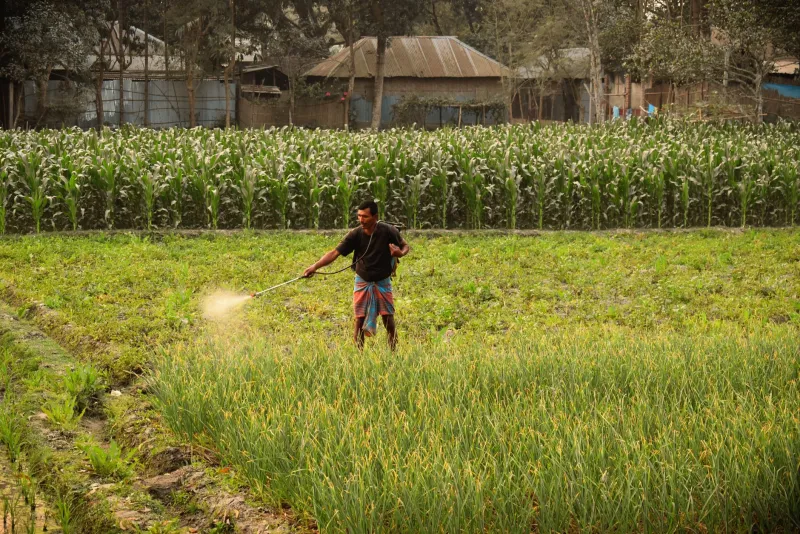
Let's be honest — most of us picture organic farming as fields of happy vegetables growing in perfect harmony with nature, untouched by anything remotely chemical. It's a beautiful image. It's also not entirely accurate.
Organic certification in the US, governed largely by the USDA's National Organic Program (NOP), does prohibit synthetic pesticides. But it doesn't prohibit all pesticides. Farmers growing certified organic produce are permitted to use a range of naturally derived substances to protect their crops — and some of those substances are drawing serious scrutiny from scientists who study toxicity and environmental health.
This isn't an argument against organic food. Not even close. But if you care about what goes into your body and onto the land, this is a conversation worth having.
The "Natural" Loophole You Probably Didn't Know Existed
Here's the thing: the word "natural" describes origin, not safety. A substance can come straight from the earth and still be genuinely harmful to humans, animals, or ecosystems. Arsenic is natural. So is mercury. So are dozens of plant-derived compounds that are acutely toxic in concentrated form.
The USDA's approved list for organic farming — called the National List — includes substances like copper sulfate, pyrethrin, and rotenone (though rotenone's status has been revisited in recent years). These are all naturally derived. They're also all worth understanding before you assume your organic produce was grown without any chemical intervention whatsoever.
Copper Sulfate: The Rust-Colored Reality
Copper sulfate is one of the most widely used fungicides in organic agriculture, particularly in vineyards and orchards. It's effective at controlling fungal diseases like downy mildew and has been used in farming for over a century. The problem? Copper doesn't break down. It accumulates in soil over time, and at high enough concentrations, it becomes genuinely toxic to earthworms, beneficial soil microbes, and aquatic organisms if it runs off into waterways.
Research published in environmental toxicology journals has flagged copper accumulation in European vineyards as a legitimate ecological concern. The EU has actually moved to restrict copper sulfate use and cap annual application rates. In the US, organic farmers can still apply it with fewer restrictions.
For consumers, direct health risks from copper sulfate residues on food are generally considered low at typical exposure levels. But the broader environmental picture — soil health, water quality, biodiversity — is more complicated than the organic label might suggest.
Rotenone: A Cautionary Tale
Rotenone gets its own paragraph because its story is genuinely sobering. Derived from the roots of certain tropical plants, rotenone was used as an organic-approved insecticide for decades. It was considered safe largely because it broke down quickly in the environment.
Then researchers started connecting dots. Studies in the early 2000s found that rotenone exposure in lab animals caused symptoms strikingly similar to Parkinson's disease — specifically by disrupting mitochondrial function in neurons. Epidemiological research on farmers who used rotenone added to the concern. The EPA eventually moved toward restricting its use, and it's no longer on the USDA's National List for most applications. But it took years of evidence-gathering to get there.
The lesson isn't that organic farming is dangerous. It's that the approval process for "natural" substances hasn't always been as rigorous as it should be — and that toxicity is about chemistry, not origin.
How Organic Farmers Are Responding
It would be unfair to paint all organic farmers with the same brush here. Many certified organic growers are deeply aware of these issues and actively work to minimize even their approved pesticide use. Integrated pest management (IPM) strategies — using crop rotation, beneficial insects, physical barriers, and targeted interventions only when necessary — are increasingly common among conscientious organic producers.
Small-scale organic farmers, in particular, often have a much lighter footprint than large-scale certified operations. A family farm using cover crops and hand-picking pests is a very different operation from an industrial organic outfit applying copper sulfate across hundreds of acres.
This is one reason why knowing your farmer — whether through a CSA membership, a farmers market relationship, or a brand that's transparent about its growing practices — matters so much.
What This Means for Your Shopping Cart
So what do you actually do with this information? A few practical takeaways:
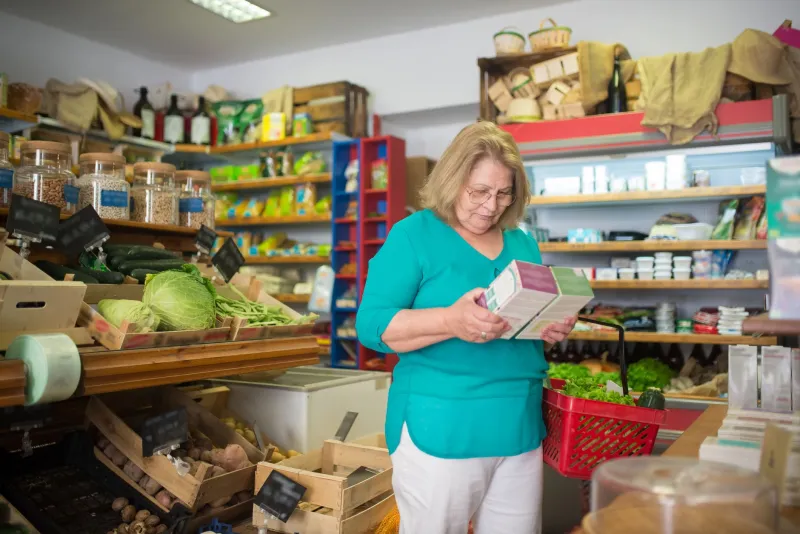
Keep buying organic where it counts. The Environmental Working Group's Dirty Dozen list is still a useful guide. Conventional produce on that list carries measurable synthetic pesticide residues, and avoiding those is still a smart choice.
Ask better questions. When possible, look for brands and farms that go beyond the USDA organic label — certifications like Demeter Biodynamic or Regenerative Organic Certified often signal even more rigorous standards.
Wash everything. Whether it's organic or conventional, rinsing produce thoroughly under running water removes a significant portion of surface residues.
Look for transparency. The best organic brands aren't just certified — they'll tell you how they farm. If a company can explain its pest management approach, that's a green flag.
The Bigger Picture
None of this is meant to shake your faith in the organic movement. The core mission — reducing synthetic chemical load in our food system, protecting soil health, and farming in ways that work with nature rather than against it — is genuinely important and worth supporting.
But being a truly informed consumer means holding the full picture, even when it's a little uncomfortable. Organic certification is a meaningful standard, not a perfect one. Understanding its nuances doesn't undermine it — it makes you a smarter advocate for the kind of food system that actually delivers on the promise of clean living.
And honestly? That kind of informed engagement is exactly what the organic movement needs more of.