Why Organic Costs More — And Smarter Ways to Spend Every Dollar
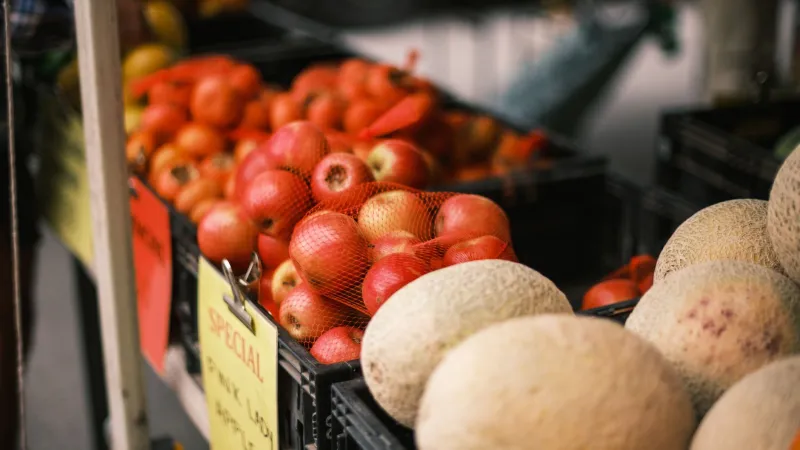
You've stood in the produce aisle, organic apple in one hand and conventional apple in the other, doing the mental math. The organic one costs nearly twice as much. You wonder — is someone just cashing in on the health trend, or is there something real behind that price tag?
The honest answer is: it's complicated. But understanding why organic costs more is actually the first step toward spending less on it. Let's break it down.
The Price Tag Starts Long Before the Store Shelf
Most people assume the premium on organic food is mostly marketing. In reality, the costs start accumulating at the farm level and don't stop until the product hits your cart.
Organic certification through the USDA isn't a one-time fee. Farmers pay annual certification costs that can range from a few hundred to several thousand dollars depending on the size of the operation. Smaller farms — which represent a huge portion of organic producers in the US — often carry that cost as a significant percentage of their annual overhead.
Beyond certification, organic farming is simply more labor-intensive. Without synthetic herbicides, weeds have to be managed manually or through cover cropping and cultivation. Without synthetic pesticides, farmers rely on biological controls, physical barriers, and crop rotation — all of which take more time and planning. Yields are typically lower too, sometimes by 20 to 25 percent compared to conventional farming. That means more land and more inputs to produce the same amount of food.
The soil itself takes years to transition. A conventional farm converting to organic has to maintain organic practices for three full years before it can legally label its produce as certified organic — all while paying the costs of organic farming without being able to charge organic prices. That financial gap during transition is real, and it affects who can afford to make the switch.
The Supply Chain Adds Its Own Layers
Once food leaves the farm, the costs keep building. Organic produce and products typically require separate handling, storage, and transport to prevent contamination with conventional goods. Organic grain stored in a silo that previously held conventionally treated grain isn't organic anymore — so dedicated infrastructure matters.
Distribution networks for organic products are also less developed than conventional ones in many parts of the country. Fewer distribution hubs, smaller shipment volumes, and longer transport routes all push prices up before a single product reaches a retailer.
Retailers themselves add their markup, and specialty grocery stores — where organic products are often most visible — tend to run higher margins than big-box chains. That's part of why the same USDA-certified organic yogurt can cost noticeably different amounts depending on where you buy it.
Seasons Matter More Than You Think
Organic pricing isn't static. It moves with the seasons in ways that conventional pricing often doesn't, simply because organic supply chains have less flexibility. A late frost, a drought, or a pest pressure event on a key organic farm can ripple through pricing quickly because there are fewer backup suppliers to absorb the gap.
Buying in-season organic produce isn't just a budget tip — it's how you align yourself with the actual supply curve. Strawberries in June are dramatically cheaper than strawberries in January, not just because of demand, but because domestic organic supply is genuinely abundant in summer. The same goes for tomatoes, zucchini, peaches, and corn.
Frozen organic produce is an underrated tool here. When seasonal organic vegetables are at peak supply, processors freeze them at nutritional peak. The resulting frozen product is often cheaper per serving than fresh, travels better, and wastes less.
Practical Strategies That Actually Move the Needle
Knowing the economics gives you real leverage. Here's how to use it.
Prioritize by pesticide exposure, not by price. The Environmental Working Group publishes its Dirty Dozen list annually — a ranking of the produce most contaminated with pesticide residues. Strawberries, spinach, peaches, and bell peppers consistently appear near the top. These are the items where going organic genuinely reduces your chemical exposure the most. The Clean Fifteen — items like avocados, onions, and pineapples — tend to have low residue levels even when conventionally grown. Buying organic only where it counts lets you redirect your budget toward the things that matter.
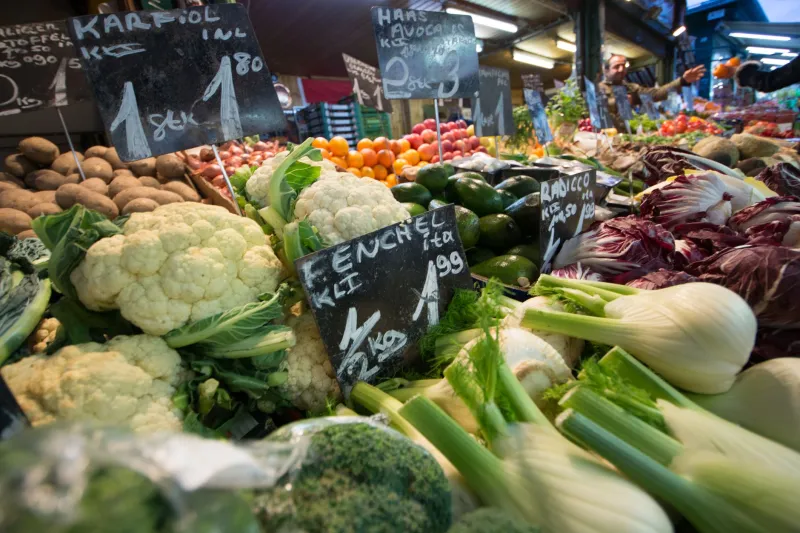
Buy direct when you can. Farmers markets, CSA (community-supported agriculture) subscriptions, and direct farm websites cut out multiple layers of the distribution markup. You're often getting fresher product at a better price, and you're supporting the smaller farms that make up the backbone of the US organic sector.
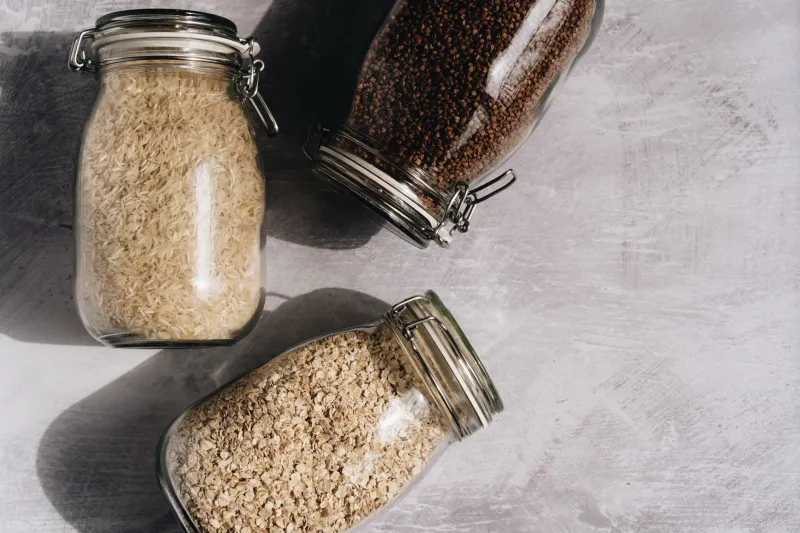
Go bulk on pantry staples. Organic oats, dried beans, lentils, rice, and nuts are dramatically cheaper per unit when bought in bulk. Stores like Whole Foods, Natural Grocers, and many co-ops have bulk bins where you can buy exactly what you need. Online bulk retailers are another strong option for shelf-stable items.
Watch the store-brand aisle. Major chains including Costco, Target, Walmart, and Kroger have expanded their organic private-label lines significantly. These products carry the same USDA Organic certification as premium brands at a fraction of the price. The certification standards don't change based on the label.
Time your shopping around sales cycles. Organic products go on sale like everything else. Apps like Flipp or store loyalty programs can help you track when your regulars drop in price. Stocking up on shelf-stable or freezer-friendly organic items during sales is one of the highest-return habits you can build.
The Real Question Isn't 'Can I Afford Organic?'
The better question is: where does organic spending actually make a difference for my health? Once you stop treating organic as an all-or-nothing identity purchase and start treating it as a targeted investment, the math gets a lot more manageable.
The infrastructure behind organic food is real, the labor is real, and the environmental benefits are real. But you don't have to pay the premium on everything to get meaningful benefits. Spend smart on the items that matter most, buy in ways that cut out unnecessary middlemen, and lean on seasonal rhythms. That's how clean eating becomes something you can actually sustain — not just something you aspire to.