Organic on the Go Is a Trap — Here's How to Actually Eat Clean When You're Busy
Picture this: it's 6:45 on a Wednesday evening. You're exhausted. You've got maybe 30 minutes before the chaos of the night fully takes over, and the last thing you want to do is think about dinner. So you reach for that organic meal kit you subscribed to, or maybe the organic frozen stir-fry you grabbed at Whole Foods over the weekend. You feel good about it. Organic, right? Clean living, delivered.
Except — maybe not quite.
The convenience organic market has exploded over the last decade, and it's genuinely impressive in scope. Organic frozen meals, pre-cut organic vegetable trays, organic protein bars, organic meal kits with color-coded instructions and pre-portioned sauces. For busy Americans, it feels like the best of both worlds: the health halo of organic certification with the ease of not having to actually cook from scratch.
But here's the thing nobody's really talking about: a lot of these products are quietly working against the goals that made you reach for organic in the first place.
Reading the Fine Print on "Organic" Convenience
Let's start with sodium. Pick up almost any organic frozen dinner — even the ones from brands that market heavily around wellness and clean ingredients — and flip it over. It's not unusual to find 700, 800, even 1,000+ milligrams of sodium in a single serving. The American Heart Association recommends no more than 2,300mg per day for most adults, and ideally closer to 1,500mg if you're watching your heart health. One "clean" organic frozen meal can eat up half that budget before you've even thought about breakfast or lunch.
Then there are the oils. Organic certification doesn't restrict which oils a manufacturer can use — it just requires that those oils come from organic sources. So organic canola oil, organic sunflower oil, and organic soybean oil are all fair game. These are high in omega-6 fatty acids, and while the science on seed oils is genuinely contested, many people pursuing a clean-living lifestyle are specifically trying to reduce their refined seed oil intake. An organic label doesn't automatically mean that goal is being met.
And the processing. Highly processed food is highly processed food, even when every ingredient in it is certified organic. The fiber gets stripped, the natural enzymes get deactivated, and you're left with something that your body processes very differently than the whole-food version of those same ingredients.
The Meal Kit Problem
Organic meal kits deserve their own moment here, because they're marketed so aggressively as a health solution. And in some ways, they are better than fast food. But the pre-made sauces that come with most kits? Often loaded with sodium and sugar. The portion sizes? Frequently calibrated to look generous while delivering less nutritional density than you'd get cooking the same ingredients yourself. And the packaging — mountains of plastic, ice packs, cardboard — runs completely counter to the low-waste principles that many clean-living households are trying to embrace.
That's before you factor in the cost. Organic meal kits can run $12–$15 per serving or more. For a family of four, you're looking at $50–$60 for a single dinner. That's not healthy living on a budget — that's healthy living as a luxury product.
So What's the Alternative? Real Talk for Real Schedules
Here's where we get practical, because the answer isn't "just cook everything from scratch every night" — that's not realistic for most American households, and pretending otherwise isn't helpful.
The actual solution is strategic, not heroic.
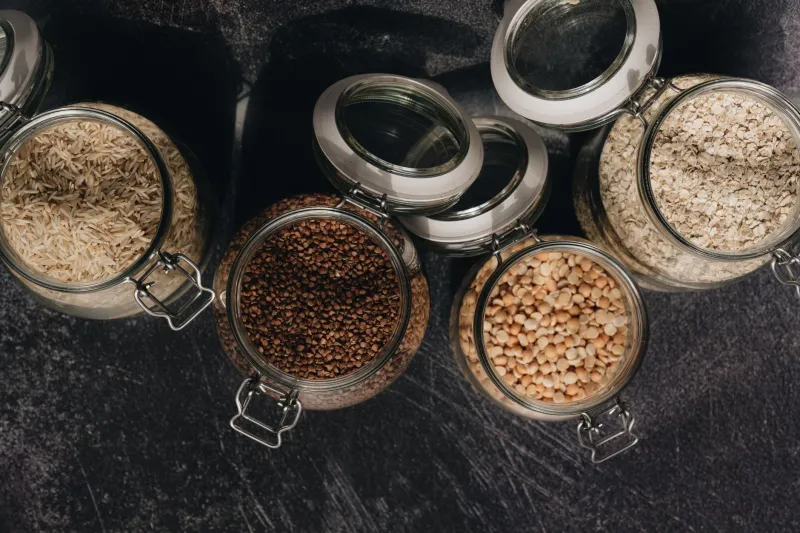
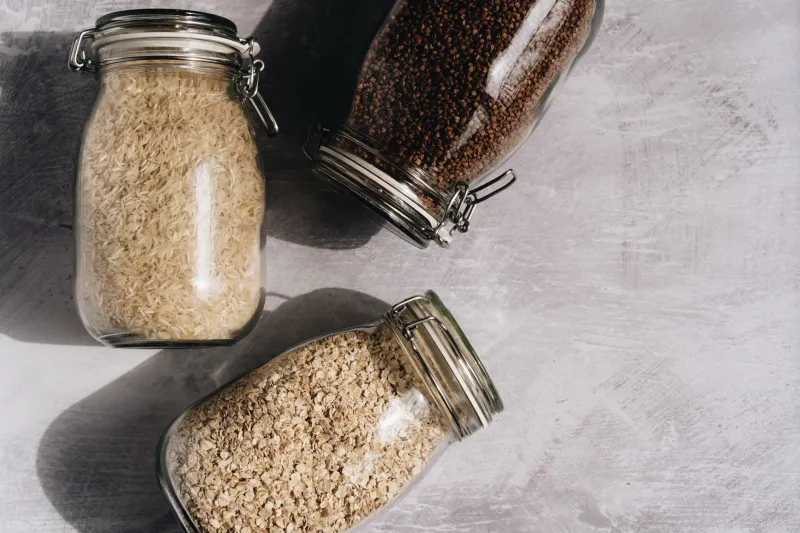
Batch cooking one or two ingredients, not full meals. Spend 20 minutes on Sunday roasting a big sheet pan of whatever vegetables are in season. Cook a large pot of grains — organic brown rice, farro, or quinoa. These aren't full meals, but they become the backbone of fast, genuinely clean weeknight dinners without requiring a full Sunday meal prep session.
Build a smarter pantry. This is where organic principles really shine, because pantry staples are where organic is most affordable and most impactful. Canned organic beans, organic canned tomatoes, organic olive oil, organic broth, organic pasta — these are the building blocks of a 20-minute dinner that's infinitely cleaner than any frozen option. A can of organic chickpeas plus some olive oil, garlic, and whatever vegetable you have on hand is a genuinely good weeknight meal.
Get strategic about your freezer. The freezer aisle isn't the enemy — it's about what you put in it. Plain organic frozen vegetables (no sauce, no seasoning, just the vegetable) are a legitimate clean-eating shortcut. Frozen organic edamame, peas, corn, and spinach are nutritionally comparable to fresh and dramatically faster to prepare. The problem isn't frozen food — it's frozen processed food.
Pre-cut your own, in bulk. If you love the convenience of pre-cut vegetables, set aside 15 minutes after your grocery run to chop and store them yourself. You get the same convenience at a fraction of the cost, with no preservatives or modified atmosphere packaging involved.
The Brands Worth Trusting (And the Questions to Ask)
Not every organic convenience product is a wolf in sheep's clothing. Some brands are genuinely doing the work — shorter ingredient lists, lower sodium, minimal processing, and real transparency about sourcing. When you're evaluating a product, here's a quick gut-check:
- Can you pronounce and identify every ingredient?
- Is sodium under 500mg per serving?
- Is the oil situation one you're comfortable with?
- Is the organic certification the only thing distinguishing this from a conventional version, or is the whole product philosophy different?
If a brand can answer those questions well, it might actually deserve a spot in your cart.
Clean Living Isn't a Product — It's a Practice
The organic food industry has done something remarkable in making clean eating more accessible than it's ever been. But it's also, inevitably, become a marketing category — and marketing categories are designed to sell things, not necessarily to serve your health.
True clean living isn't something you can outsource entirely to a meal kit company or a frozen food brand. It's built in the habits you develop, the pantry you stock, and the choices you make on a Tuesday night when you're tired and hungry and the easiest path is also the most expensive and least nourishing one.
Convenience is real, and it's a legitimate need. But the most convenient organic product in the world is still a whole head of organic broccoli, a can of organic beans, and 15 minutes of your time. That's not a compromise — that's the whole point.