Grow It or Buy It? The Organic Gardening Decisions That Actually Pay Off
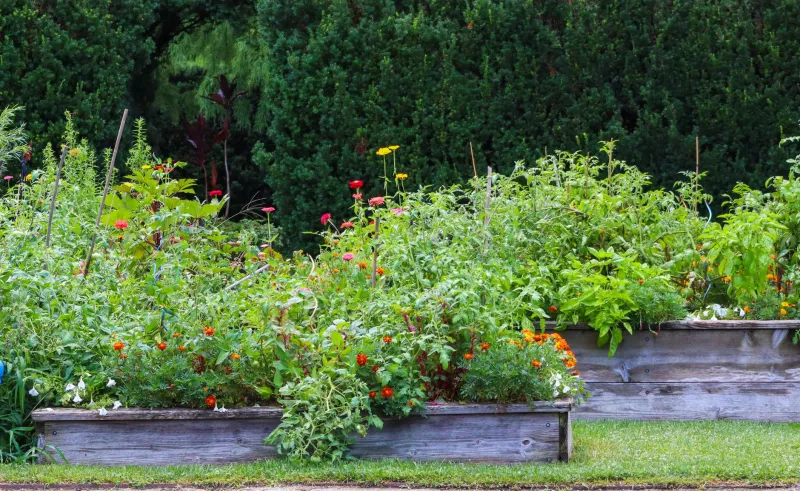
Home gardening has had a serious moment in the US over the past few years. Seed companies reported record sales, raised beds started appearing in suburban backyards across the country, and a lot of people discovered that growing food is genuinely satisfying — even when the results are humbling.
But there's a version of this enthusiasm that doesn't quite add up. Not everything you can grow at home is worth the effort when you're measuring it against what you'd actually save, or what you'd actually gain health-wise. And some things that seem like overkill to grow yourself turn out to be among the best decisions you can make.
Let's get practical about which side of the garden fence each crop belongs on.
Why Growing Your Own Organic Actually Matters
Before getting into specifics, it's worth being clear about what you're actually trying to accomplish. When you grow food at home without synthetic pesticides or fertilizers, you're doing something that even the certified organic label can't fully guarantee: you know exactly what went on your plants.
Certified organic is a meaningful standard, but it still permits certain approved pesticides — some of which aren't exactly benign. Growing your own removes that ambiguity entirely. You also eliminate the time between harvest and table, which matters more than most people realize. Spinach, for example, can lose a significant portion of its folate content within days of harvest. Tomatoes continue developing beneficial lycopene compounds as they ripen on the vine in ways that picked-early, shipped-across-the-country tomatoes simply don't.
So the case for home growing isn't just economic — it's genuinely nutritional in some cases.
High-Value Crops to Grow Yourself
Herbs: The Clearest Win in Any Garden
If you only grow one category of plant, make it herbs. The math here is almost embarrassing. A small pot of basil at the grocery store costs $3–4 and lasts maybe a week before it wilts. A single basil plant in a six-inch container on your windowsill or back porch will produce continuously for months with basic care.
The same logic applies to cilantro, parsley, chives, thyme, rosemary, and mint. These are crops that are heavily sprayed in commercial production, expensive relative to their weight, and remarkably easy to grow in containers. You don't need a garden — a sunny windowsill or a small balcony is enough.
Difficulty level: Low. Most culinary herbs are forgiving, fast-growing, and don't require much space or soil expertise.
Salad Greens and Lettuce
Leafy greens are among the most pesticide-laden crops in commercial production. Spinach, kale, and lettuce appear consistently on the EWG's Dirty Dozen list. They're also among the easiest crops to grow at home and among the most expensive to buy organic.
A packet of mixed salad green seeds costs around $3–4 and can produce dozens of harvests through a cut-and-come-again method — where you trim the outer leaves and the plant keeps growing. The nutritional advantage of freshly cut greens over store-bought is real: you're getting vitamins and antioxidants at their peak before any degradation from storage or transport.
For apartment dwellers, lettuce and spinach grow extremely well in shallow containers under a grow light or near a south-facing window.
Difficulty level: Low to moderate. Watch for bolting in summer heat — plant in spring and fall for best results.
Tomatoes
This one is more of an investment, but the payoff is significant. Store-bought tomatoes — even organic ones — are typically harvested before full ripeness to survive transport. Vine-ripened tomatoes contain higher concentrations of lycopene and vitamin C, and the flavor difference is dramatic enough that many home gardeners report it's the crop that keeps them gardening year after year.
Organic heirloom varieties like Cherokee Purple, Brandywine, and Sun Gold cherry tomatoes are rarely available in stores but are widely available as seeds or starts. These varieties are also bred for flavor rather than shelf life, which makes them a genuinely different food from what you'd buy.
The cost to grow a tomato plant ranges from a few dollars for a seed packet to $4–6 for a transplant start. A healthy plant in a warm US climate can yield 10–20 pounds of fruit over a season.
Difficulty level: Moderate. Tomatoes need consistent watering, some support structure, and attention to pests and disease, but they're manageable for most beginners.
Hot Peppers and Bell Peppers
Bell peppers are another Dirty Dozen regular, and organic ones at the store can run $2–3 each. A single pepper plant can produce 10–20 peppers across a season. They grow well in containers, love heat, and are relatively low-maintenance once established.
Difficulty level: Moderate. Similar care to tomatoes.
What's Generally Better to Just Buy
Root Vegetables
Carrots, beets, potatoes, and sweet potatoes take up significant garden space, require deep, well-amended soil, and take a long time to mature. Organic versions of most root vegetables are reasonably priced at stores, and the pesticide residue levels on items like sweet potatoes are generally lower than leafy greens. Unless you have dedicated garden space and enjoy the process, buying these is often the smarter call.
Avocados and Citrus
These require specific climates (Southern California, Florida, Texas, Arizona) and years before a tree produces meaningful fruit. For most Americans, buying these — even organic — makes more practical sense.
Onions and Garlic
Garlic is actually fun and easy to grow, but onions take a long time and significant space. Organic onions are also on the Clean Fifteen, meaning they carry low pesticide residues even when conventionally grown. The budget priority here is low.
Building a System That Works for Your Space
You don't have to choose between a full garden and buying everything. The most sustainable approach for most households is a hybrid: grow the high-impact, high-cost crops that benefit most from home production, and buy the rest strategically.
For apartment or small-space dwellers, a windowsill herb garden plus a container or two of salad greens covers the highest-value ground with minimal investment. For anyone with outdoor space, adding tomatoes and peppers to the mix dramatically expands both the nutritional and financial return.
Start seeds from reputable organic seed suppliers — companies like Baker Creek, Seed Savers Exchange, and High Mowing Seeds offer non-GMO, open-pollinated varieties that you can save seeds from year to year, reducing your long-term costs further.
The goal isn't to grow everything. It's to grow the right things — the ones where your effort, your health, and your grocery budget all benefit at the same time.