Who Really Owns Your Organic Favorites? The Corporate Family Tree Nobody Prints on the Label
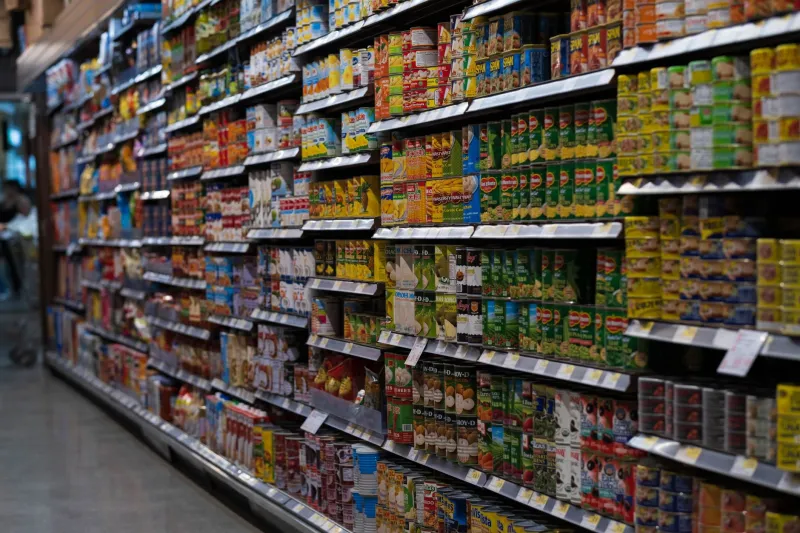
Picture the scene: you're standing in the natural foods aisle, cart half-full, scanning labels. You reach for a brand you trust — maybe it's got a pastoral logo, a founder's story printed in friendly serif font, language about 'family farms' and 'real ingredients.' It feels independent. It feels clean. It feels like a conscious choice.
Except there's a decent chance that bottle or box traces its ownership back to a boardroom in Chicago, or a multinational holding company headquartered somewhere in Western Europe.
This isn't a conspiracy theory. It's just how the organic market evolved — and understanding it is one of the most useful things you can do as a shopper who actually cares about where their food comes from.
How Big Food Discovered Organic
For most of the 1990s and early 2000s, organic was genuinely a fringe market. Small, scrappy companies built loyal followings by doing things differently — skipping synthetic pesticides, sourcing from independent farms, keeping ingredient lists short. The margins were thin, but so was the competition.
Then organic went mainstream. Sales started doubling every few years. Whole Foods expanded aggressively. Conventional grocery chains carved out dedicated natural sections. And the big players in the food industry — the ones with billions in revenue and global distribution networks — took notice.
Acquiring an established organic brand turned out to be far cheaper and faster than building one from scratch. You get an existing customer base, a trusted name, and years of brand equity, all without having to earn any of it organically (pun very much intended).
The result? A wave of acquisitions that quietly reshaped who controls what you find in the natural foods aisle.
The Brands That Might Surprise You
Let's get specific, because the abstract version of this story is a lot less impactful than the actual names.
Kashi — the granola and cereal brand that practically invented the 'healthy hippie breakfast' aesthetic — has been owned by Kellogg's since 2000. Boca Burger is a Kraft Heinz brand. Honest Tea, once the scrappy startup that put organic iced tea on the map, spent years as a Coca-Cola subsidiary before being discontinued and relaunched. Naked Juice? PepsiCo. Cascadian Farm and Muir Glen, two names that appear constantly in organic pantry conversations, are both owned by General Mills.
And it's not just food. Burt's Bees — the natural personal care staple — was acquired by Clorox. Yes, the bleach company.
None of this is secret, exactly. These acquisitions were reported in business press. Corporate filings are public. But nothing on the packaging tells you any of it, and most shoppers simply don't have the bandwidth to cross-reference SEC documents while also deciding between two kinds of organic pasta sauce.
Does Ownership Actually Change the Product?
This is where it gets genuinely complicated — and where a clean, simple answer doesn't really exist.
In some cases, the answer appears to be no, at least initially. Many acquired brands operate with a degree of autonomy. Formulas stay the same, sourcing relationships are maintained, and the founding team sometimes stays on. The brand continues to meet USDA organic certification standards because, well, those standards are legally binding regardless of who signs the checks.
But over time, pressure tends to creep in. Cost-cutting at scale can mean switching to cheaper certified-organic ingredient sources. Supply chain consolidation can mean less emphasis on the small regional farms originally central to a brand's identity. And the mission-driven culture that made a company distinctive in the first place can erode when it becomes a line item in a conglomerate's portfolio review.
There have also been specific, documented controversies. Aurora Organic Dairy — a major supplier behind several store-brand organic milks — faced USDA investigations over whether its operations genuinely met pasture access requirements. Horizon Organic, owned by Danone, has faced similar scrutiny. These aren't necessarily indictments of corporate ownership itself, but they do illustrate that the organic label isn't a guarantee of the farming philosophy you might be picturing.
What 'Certified Organic' Does and Doesn't Cover
Here's the thing worth keeping in mind: USDA organic certification is a process standard, not a values standard. It tells you how a product was produced — without synthetic pesticides, without GMOs, with certain animal welfare minimums — but it says nothing about who owns the company, whether profits stay in local communities, whether the brand's marketing is honest, or whether the environmental mission printed on the back panel is real or aspirational.
Certification is genuinely meaningful. We're not dismissing it. But it was never designed to be a complete picture of a brand's ethics or independence.
How to Find Actually Independent Organic Brands
If corporate ownership matters to you — and it's completely reasonable if it does — here are some practical ways to shop with more confidence.
Check the Cornucopia Institute's scorecards. This nonprofit research organization rates organic brands across dairy, eggs, soy, and other categories, with transparency about ownership and farming practices. It's one of the most useful free resources available to organic shoppers in the US.
Look for Certified B Corporation status. B Corp certification requires companies to meet rigorous standards of social and environmental accountability. While not all B Corps are independent and not all independent brands are B Corps, it's a useful signal.
Search the brand name + 'parent company' before you buy. Takes about thirty seconds. You might be surprised what comes up.
Prioritize local and regional brands you can actually research. A small organic producer at your farmers market or a regional brand whose owner you can email is, by definition, not a subsidiary of Nestlé.
Look for co-op and worker-owned structures. Brands like Equal Exchange operate on cooperative ownership models that are structurally resistant to conventional acquisition.
A Note on Why This Is Worth Caring About
None of this is about demonizing large companies categorically. Some conglomerate-owned organic brands genuinely do maintain quality. And for plenty of shoppers, the most important thing is simply getting certified organic food on the table affordably — which sometimes means buying whatever's in stock.
But if part of why you buy organic is about supporting a different kind of food system — one that prioritizes small farms, transparent supply chains, and independent businesses — then knowing who actually owns what you're buying is directly relevant to that goal.
Your purchasing decisions are one of the most concrete ways you participate in the food economy. Spending a few minutes understanding the corporate structures behind your pantry staples isn't cynicism. It's just being an informed shopper — which, honestly, is exactly the kind of thing clean living is supposed to be about.