Certified Organic Doesn't Mean Chemical-Free — Here's What's Actually in Your Food
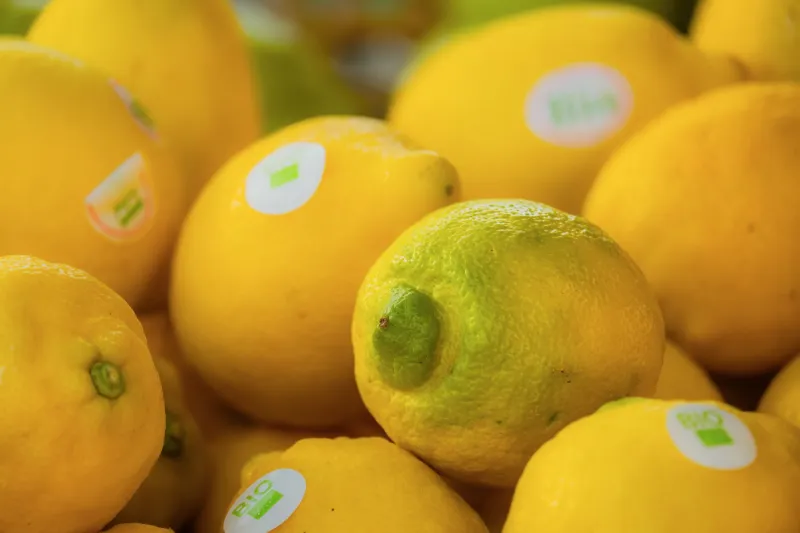
Most of us buy organic because we want fewer chemicals on our plates. That's a completely reasonable thing to want. But here's the part the marketing doesn't spell out: "certified organic" and "chemical-free" are not the same thing. Not even close.
The USDA's National Organic Program sets the rules, and those rules are genuinely stricter than conventional food standards. But "stricter" still leaves a lot of room. There's a list — a surprisingly long one — of synthetic substances that are fully permitted in certified organic processed foods. And if you've never heard of the National List of Allowed and Prohibited Substances, you're probably not reading your ingredient labels the way you think you are.
The National List: Organic's Quiet Loophole
The USDA maintains what's officially called the National List of Allowed and Prohibited Substances. It sounds dry, but it's actually one of the most important documents in the organic food world, and almost nobody outside the industry talks about it.
The list allows certain synthetic substances to be used in organic food production when they serve a functional purpose and when no organic alternative is commercially available. That's a reasonable framework in theory. In practice, it means your organic canned tomatoes might contain calcium chloride (a firming agent), your organic baby formula can legally include DHA derived from fermented algae processed with hexane — a petroleum-based solvent — and your organic protein powder may contain carrageenan, a seaweed-derived thickener that's generated real controversy in the research community over gut inflammation.
None of these ingredients disqualify a product from organic certification. They all appear on approved lists. And none of them are required to be called out separately from the certification seal on the front of the package.
Processing Aids You're Probably Not Thinking About
Here's a category that gets almost no consumer attention: processing aids. These are substances used during food manufacturing that may not appear in the final ingredient list at all, because they're considered incidental or they're used in quantities deemed too small to matter.
Certain sanitizing agents, anti-foaming compounds, and equipment lubricants can come into contact with organic food during processing. The rules do restrict what's allowed, but the average consumer has no realistic way of knowing which aids were used, because they don't show up on the label.
This isn't a conspiracy — it's just how food manufacturing works at scale. But it's worth understanding that "organic" describes how the raw ingredients were grown, not necessarily every substance the food encountered on its way to your pantry shelf.
The Ingredient List Is Where the Real Story Lives
So how do you actually read an organic product's ingredient list in a way that tells you something useful? A few things to look for:
Watch for the word "natural flavors." This term is allowed in organic products and is notoriously vague. Natural flavors can include hundreds of different compounds, some of which are extracted through chemical processes. The FDA doesn't require manufacturers to disclose what's actually inside a natural flavor blend, so the label tells you essentially nothing about what you're actually consuming.
Look at where organic appears in the ingredient list itself. Products labeled "made with organic ingredients" only need 70% organic content. The remaining 30% can include conventionally grown ingredients and a broader range of additives. If you're scanning a label and the word "organic" appears selectively next to only certain ingredients — but not others — that's your signal to look more carefully at what fills the gaps.
Check for carrageenan. This one's worth a separate mention. Derived from red seaweed, carrageenan has been used in food for decades as a thickener and stabilizer. It's common in organic dairy alternatives, infant formula, and deli meats. Research on its effects is genuinely mixed — some studies link degraded forms to intestinal inflammation — and its continued presence on the National List has been debated and contested within the organic standards board itself. If you have gut sensitivity issues, it's a reasonable ingredient to actively avoid regardless of the organic label.
Citric acid is almost always synthetic. You'll see citric acid in a huge range of organic products. The name sounds natural — citrus, right? — but the citric acid used in commercial food production is almost universally produced through a fermentation process using a mold called Aspergillus niger, often grown on GMO corn syrup. It's approved for organic use. It's also nothing like squeezing a lemon.
Organic Processed Food Is Still Processed Food
This might be the most useful reframe: the organic label was originally designed with whole, raw agricultural products in mind. It describes farming practices — soil management, pest control, synthetic fertilizer use. When you apply that framework to a multi-ingredient processed product, things get complicated fast.
An organic frozen burrito has to meet organic standards for its individual ingredients, but it's still a frozen burrito. It still needs to hold together, resist microbial growth, maintain texture through freezing and reheating, and taste consistent across millions of units. That requires chemistry. Organic-approved chemistry, sure — but chemistry.
The cleanest organic eating genuinely is centered on whole, minimally processed foods: produce, bulk grains, raw nuts, plain dairy. The further you move from that baseline toward packaged convenience foods with the organic seal, the longer and more interesting the ingredient list tends to get.
How to Actually Shop Smarter
None of this means organic certification is worthless — it's not. Choosing organic produce meaningfully reduces your exposure to synthetic pesticide residues. Choosing organic meat and dairy connects to real differences in animal welfare and farming practices. The certification has genuine value.
But treating the seal as a complete guarantee of chemical simplicity is where a lot of shoppers get tripped up. A few practical habits that actually help:
- Read the full ingredient list every time, not just the front panel claims. If you can't identify most of what's listed, that's worth pausing on.
- Prioritize organic certification for the products where it matters most — produce with thin skins, dairy, and meat — rather than applying equal weight to every certified snack food.
- When buying packaged organic products, shorter ingredient lists are almost always a better sign than longer ones, regardless of what each individual ingredient is.
- Don't assume "organic" and "minimally processed" are synonyms. They're two different things, and the best purchasing decisions account for both.
The organic food movement was built on the idea that what we put in our bodies matters. That idea is right. But the certification system that grew up around it is complex, imperfect, and full of nuance that the front-of-package marketing has zero incentive to explain to you. That's what reading labels is actually for.