Beyond the Organic Label: Why Regenerative Farming Might Be the Most Important Thing You've Never Heard Of
Let's be honest — figuring out how to shop for food in 2025 can feel like a part-time job. Organic, non-GMO, biodynamic, fair trade, pasture-raised... the labels multiply faster than most of us can keep up with. So when someone mentions "regenerative agriculture," it's tempting to file it under "another thing to research later" and move on.
But this one's worth your time. Because regenerative farming isn't just another marketing badge — it's a fundamentally different philosophy about what farming is for. And if you're already spending money on organic food because you care about your health and the planet, understanding regenerative practices could help you get significantly more impact out of every dollar.
So What's the Difference Between Organic and Regenerative?
Organic farming, as defined by the USDA, is essentially about what you don't do. No synthetic pesticides. No synthetic fertilizers. No GMOs. No irradiation. It's a meaningful set of restrictions that genuinely matters — and we're not here to knock it.
But here's the limitation: organic certification is largely silent on how you treat the soil itself. You can farm organically and still till aggressively, leave fields bare between growing seasons, run monocultures year after year, and slowly deplete the living ecosystem beneath the surface. Technically compliant. Not necessarily thriving.
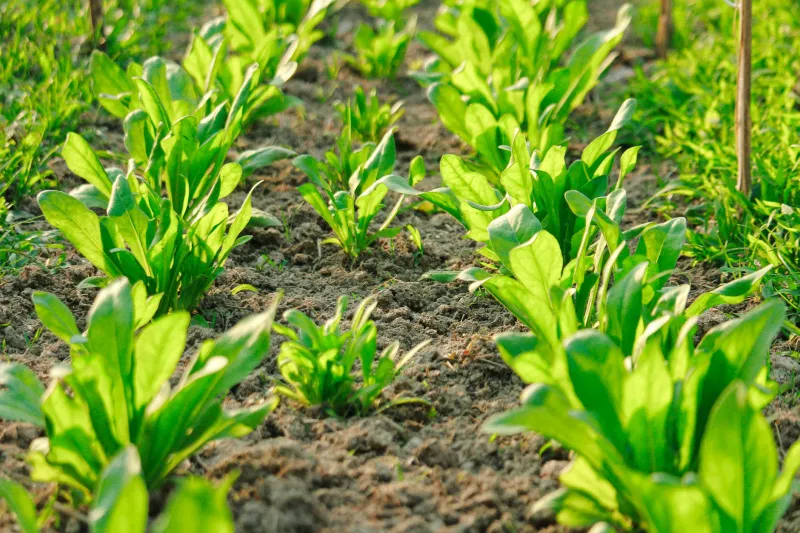
Regenerative agriculture flips the script. Instead of focusing on what to avoid, it focuses on what to build — specifically, soil health. The core practices include:
- Cover cropping — planting crops like clover or rye between main harvests to protect and feed the soil
- Minimal or no-till farming — avoiding the mechanical disruption that destroys soil structure and releases stored carbon
- Composting and natural soil amendments — feeding the microbial communities that make soil fertile
- Crop rotation and polyculture — growing diverse plants together to mimic natural ecosystems
- Managed grazing — using livestock movement strategically to restore grasslands rather than degrade them
The goal is a farm that gets more productive over time, not less — one that sequesters carbon from the atmosphere, holds water during droughts, and requires fewer external inputs with each passing year.
Why Should a Health-Conscious Shopper Care About Soil?
Fair question. The connection between soil health and your personal health is more direct than most people realize.
Nutrient density in food is directly tied to the mineral richness of the soil it grows in. Decades of industrial farming have measurably depleted the nutrient content of many American crops — a phenomenon sometimes called "the great nutrient collapse." Studies comparing modern produce to USDA data from the 1950s show significant drops in calcium, iron, vitamin C, and other key nutrients in commonly eaten vegetables.
Regenerate the soil, and you start to reverse that trend. Crops grown in biologically active, mineral-rich soil tend to be more nutrient-dense. That's not a marketing claim — it's basic agronomy.
And then there's the environmental side, which connects back to all of us. Healthy soil sequesters carbon. It filters water. It supports biodiversity. A single teaspoon of healthy soil contains more microorganisms than there are people on Earth. When farming practices destroy that web of life, the effects ripple outward in ways that eventually affect the food supply for everyone.
The Certification Landscape (It's Still a Work in Progress)
Here's where things get a little complicated. Unlike organic, there's no single USDA-backed regenerative certification — yet. A few third-party certifications have emerged to fill the gap:
- Regenerative Organic Certified (ROC) — developed by the Rodale Institute, this is the most rigorous option. It requires full USDA Organic compliance plus additional standards for soil health, animal welfare, and farmer fairness. Think of it as organic-plus.
- Land to Market — a certification from the Savory Institute focused specifically on outcome-based verification of soil health improvements, particularly for grazing operations.
- Certified Transitional — a newer designation helping farms that are moving toward regenerative practices get recognized before they've fully arrived.
When you see ROC on a product, that's a meaningful signal. It means the farm has gone above and beyond standard organic requirements.
Farms and Brands Worth Knowing
The regenerative movement is still young, but it's growing fast — and some genuinely exciting producers are leading the way.
White Oak Pastures in Bluffton, Georgia, is one of the most-cited examples of regenerative livestock farming in the US. Their multi-species grazing model has been independently verified to sequester more carbon than the cattle emit — making them net carbon-negative. Their beef, poultry, and pork products are showing up in more natural food retail channels every year.
Patagonia Provisions (yes, that Patagonia) has built a line of regeneratively sourced foods including tinned fish, grains, and beans. Their salmon comes from fisheries verified under the Marine Stewardship Council, and their grain products feature ROC-certified ingredients from farms actively rebuilding soil health.
Lundberg Family Farms in California has been farming rice sustainably for decades and has begun transitioning portions of their acreage to regenerative practices, including winter flooding of fields to support migratory birds and reduce methane emissions.
At Purely Organics, we're actively expanding our relationships with suppliers who can speak to regenerative practices — not just organic compliance. Watch for supplier spotlights on our blog as we dig deeper into the farms behind the products.
How to Shop Regeneratively Without Blowing Your Budget
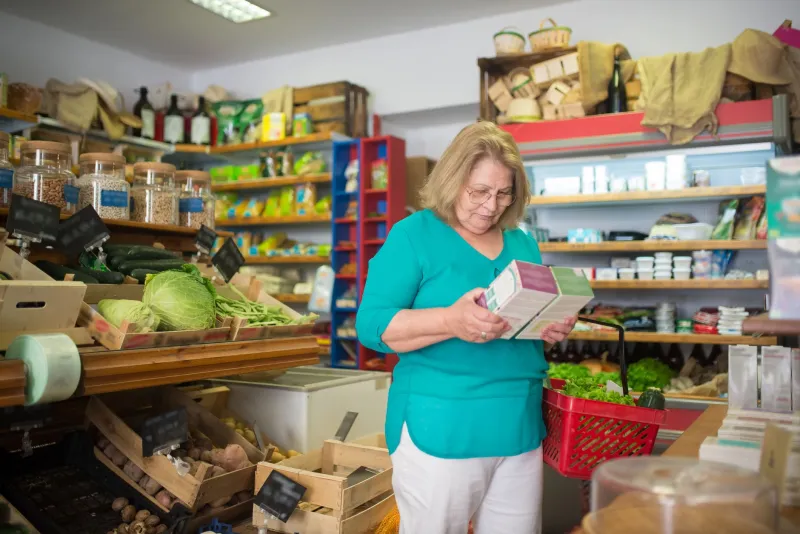
This is where the "healthy living on a budget" piece gets real. Regeneratively farmed products can carry a premium, but there are smart ways to stretch your impact.
Prioritize animal products first. Livestock farming has the most dramatic soil impact — for better or worse. Choosing pasture-raised, regeneratively managed meat and dairy tends to deliver the biggest environmental return on your dollar.
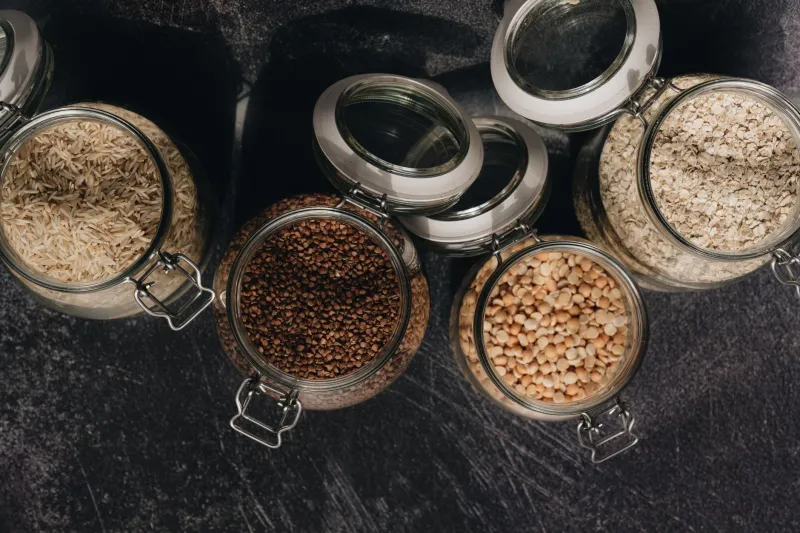
Buy dry goods in bulk. Grains, legumes, and nuts from regenerative farms are available in bulk formats that cost less per ounce. Bulk bins also cut packaging waste — a two-for-one win.
Look for the ROC seal. It's your most reliable shortcut when you don't have time to research individual brands.
Ask questions. Farmers markets are a great place to talk directly to producers about their practices. Many small farms are farming regeneratively without any certification at all — because certification costs money they don't have.
The Bigger Picture
Organic was a revolution. It shifted consumer expectations, reshaped agricultural policy, and created a multibillion-dollar market for cleaner food. Regenerative agriculture has the potential to be the next chapter — one that moves from "do less harm" to "actively restore."
For shoppers who've already made the commitment to organic, this isn't about starting over. It's about leveling up. Your food choices ripple outward — into the soil, the water table, the atmosphere, and the long-term health of the land that feeds future generations.
At Purely Organics, clean living has always meant more than avoiding chemicals. It means understanding where your food comes from and what kind of world its production is helping to build. Regenerative agriculture fits that vision exactly — and we think it's one of the most hopeful stories in food right now.