12 Organic Pantry Staples That Actually Cost Less Than Their Conventional Counterparts
The Myth That's Keeping Families Away from Organic Food
Ask most American families why they don't buy organic, and you'll hear some version of the same answer: "It's just too expensive." And honestly? That reputation isn't entirely undeserved. There are absolutely organic products that carry a significant price premium.
But here's what the conversation usually misses: not all organic products are more expensive, and for some staples, going organic actually saves you money. Prices have shifted dramatically over the past decade as organic farming has scaled up, consumer demand has grown, and more retailers have entered the space.
We did the legwork so you don't have to. Here are 12 organic staples worth adding to your cart—without the sticker shock.
Why Some Organic Products Are Cheaper Than You'd Expect
Before we get into the list, it helps to understand why certain organic items can be competitively priced:
- Reduced input costs: Organic farmers don't buy synthetic pesticides or fertilizers, which can offset some production costs
- Bulk buying and store brands: Major retailers like Costco, Trader Joe's, and Whole Foods' 365 line have made organic private-label products mainstream and affordable
- Simpler supply chains: Some organic producers sell direct-to-consumer or through specialty e-commerce (hey, that's us 👋), cutting out distributor markups
- Lower processing costs: Whole, minimally processed organic foods often require less manufacturing than their heavily processed conventional counterparts
Okay, let's get into it.
1. Dried Lentils
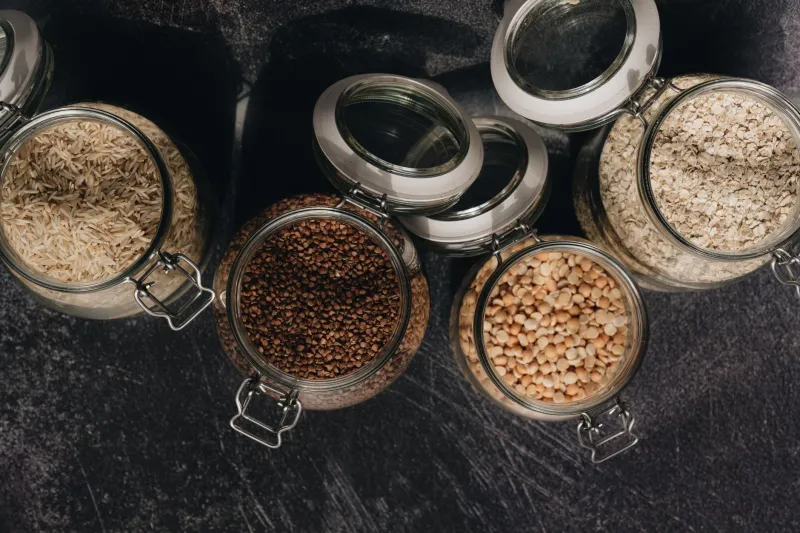
Organic dried lentils frequently price out at roughly the same per-pound cost as conventional—sometimes less. They're a protein-packed pantry workhorse, and since lentils are a crop that doesn't require heavy pesticide use to grow, organic certification costs less to maintain for farmers. Win-win.
2. Rolled Oats
Oats are one of the most pesticide-contaminated crops in the conventional food supply (glyphosate residue has been detected in multiple studies). Going organic here is genuinely important for your health—and bulk organic rolled oats often run just pennies more per serving than conventional. At scale, the difference is negligible.
"I switched to organic oats last year and honestly didn't notice a price difference buying in bulk," says Maria T., a mom of three from Columbus, Ohio. "My kids eat oatmeal every morning, so it adds up either way. Might as well be clean."
3. Canned Tomatoes
Store-brand organic canned tomatoes have become so common that they regularly go on sale at prices matching or beating name-brand conventional options. Stock up when they're on promotion. Tomatoes are high on the pesticide-residue concern list, so this swap is worth making.
4. Brown Rice
Organic brown rice in larger bag sizes is extremely competitive on price. It's a staple in millions of American households, and the organic supply has grown enough that premiums have compressed significantly. A 5-pound bag of organic brown rice often costs less than a dollar more than its conventional equivalent.
5. Dried Black Beans
Similar story to lentils. Organic dried black beans are frequently priced identically to conventional at bulk retailers and online. They store for years, they're incredibly versatile, and they're one of the most cost-efficient protein sources in any pantry—organic or not.
6. Frozen Spinach
Fresh organic spinach commands a premium. Frozen organic spinach? Much more reasonable. Nutritionally, frozen spinach is comparable to fresh (sometimes superior, since it's frozen at peak ripeness), and the price per serving is often lower than fresh conventional spinach.
7. Olive Oil
Organic extra-virgin olive oil has gotten more affordable as Mediterranean and domestic organic producers have expanded. Buying a larger bottle brings the per-ounce cost in line with—or below—some mid-tier conventional brands. Given that olive oil is used daily in most kitchens, this is a high-impact swap.
8. Apple Cider Vinegar
Raw, unfiltered organic apple cider vinegar is practically the same price as the conventional stuff at most grocery stores and online retailers. This one's a no-brainer. It's a kitchen staple, a wellness go-to, and the organic version costs maybe a dollar more per bottle at most.
9. Honey
Pure, raw organic honey from small domestic producers is widely available online at prices that undercut many conventional supermarket brands—especially those that are heavily processed or blended with corn syrup (yes, that happens). Shopping directly from organic producers or specialty stores like Purely Organics cuts out the middleman markup.
"I was shocked when I compared prices," shares David R. from Austin, Texas. "The organic honey I buy online is actually cheaper than the squeeze-bear bottle at my local grocery store, and it tastes about a thousand times better."
10. Popcorn Kernels
Organic popcorn kernels are one of the best-kept secrets in budget organic eating. A one-pound bag goes a long way, and the price difference from conventional is minimal—often under a dollar. Skip the microwave bags with synthetic coatings and pop your own. Your lungs and your wallet will thank you.
11. Coconut Oil
The organic coconut oil market is highly competitive. Prices have dropped considerably over the past several years as supply increased. You can regularly find organic unrefined coconut oil at price points matching mid-range conventional cooking oils, especially when buying in larger quantities.
12. Pasta (Dried)
Organic dried pasta—particularly from store brands at chains like Aldi, Trader Joe's, or Costco—often runs within cents of conventional options. Pasta is a high-volume, low-margin product, and organic versions have followed the same pricing trajectory. It's one of the easiest swaps you can make for a family that eats pasta regularly.
Smart Shopping Strategies to Stretch Your Organic Dollar Further
Beyond knowing which items punch above their weight on price, a few habits can make a real difference:
Buy in bulk whenever possible. The per-unit cost of organic staples drops significantly when you buy larger quantities. Items like oats, rice, beans, and lentils store well and are ideal for bulk purchasing.
Shop online for better prices. Brick-and-mortar stores carry overhead costs that get passed to you. Online organic retailers—like us at purelyorganicspk.shop—often offer more competitive pricing on staples because our model is built differently.
Prioritize the Dirty Dozen. The Environmental Working Group publishes an annual list of the most pesticide-contaminated produce. Focus your organic budget on those items first (strawberries, spinach, peppers, and apples consistently rank high) and be more flexible on the "Clean Fifteen."
Use seasonal buying to your advantage. Organic produce prices fluctuate with seasons just like conventional. Buy in-season, buy local when possible, and consider freezing or preserving surplus.
Compare unit prices, not sticker prices. A larger bag of organic rice might look more expensive at first glance but cost half as much per serving. Always do the math on price per ounce or per pound.
Clean Living Is More Accessible Than the Industry Wants You to Think
The idea that organic food is exclusively for wealthy households is outdated—and frankly, it's a narrative that benefits companies selling cheap, chemically intensive products. The truth is that with a little strategy and the right sources, a middle-income American family can eat clean without financial stress.
At Purely Organics, we're committed to making that reality more accessible. We curate products that meet genuine organic standards and price them competitively, because we believe clean living shouldn't be a luxury. It should just be living.
Start with one or two swaps from this list. See what you notice—in your budget, in your pantry, and in how you feel. Small changes add up faster than you'd think.