Organic Food Recalls Happen More Than You Think — So Why Aren't You Hearing About Them?
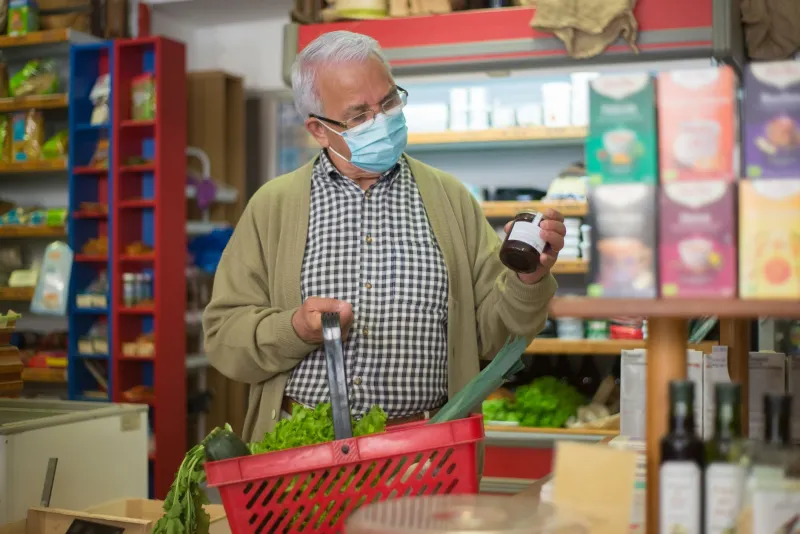
Let's do a quick experiment. Think back to the last major food recall you heard about. Chances are it involved a conventional brand — romaine lettuce, deli meat, a fast food chain's supplier. The story probably ran on cable news, showed up in your social feed, and maybe even made you rethink your grocery list for a few weeks.
Now try to name the last organic food recall you heard about.
Drawing a blank? That's not because it hasn't happened. It's because, for a whole set of interconnected reasons, organic contamination events have a way of staying very, very quiet.
The FDA Database Is Public — But Nobody's Reading It
The FDA and USDA do publish recall notices for organic products. They're right there on the FDA's Recalls, Market Withdrawals & Safety Alerts page, accessible to anyone with an internet connection. The problem is that these databases function more like a public records archive than an alert system. Unless you're a food safety journalist, a regulatory wonk, or someone who compulsively checks government websites, you're probably not seeing these notices.
Conventional food recalls get amplified through a chain reaction: a major retailer issues a press release, a wire service picks it up, TV news runs the segment, and suddenly millions of people know not to eat the thing. Organic recalls tend to quietly enter the database, get a brief mention in a trade publication, and then disappear.
Food safety advocates have pointed this out for years. The volume of information reaching ordinary consumers about organic contamination is dramatically lower than what reaches them about conventional incidents — even when the underlying risk level is comparable.
The Halo Effect Is Real, and Companies Know It
Here's where it gets a little uncomfortable. The organic label carries what researchers call a "halo effect" — a psychological tendency for consumers to assume that something labeled organic is not just pesticide-free, but safer, cleaner, and more trustworthy across the board. Studies have found that people rate organic foods as healthier, better tasting, and even more nutritious than conventional alternatives, regardless of actual nutritional data.
Brands that have invested heavily in organic certification understand this dynamic. When a contamination event happens, the reputational stakes are enormous — arguably higher than they'd be for a conventional brand, because the organic label is the entire value proposition. A conventional chip brand can survive a recall. An organic one risks losing the one thing it's selling: your trust.
That creates a strong incentive to handle these situations as quietly as possible. Voluntary recalls — where a company pulls product without being ordered to by regulators — can be framed as responsible corporate behavior. And the quieter the recall, the less damage to the brand.
Real Cases That Barely Made the News
Consider what happened with several organic nut butter and seed product recalls in recent years tied to Salmonella contamination. These products moved through natural food retailers and online channels — the exact places where health-conscious shoppers are most concentrated. The recalls were real, the contamination was confirmed, and yet coverage was minimal compared to similar incidents involving conventional peanut butter brands.
Or look at organic leafy greens. The same E. coli strains that devastated conventional lettuce brands have shown up in certified organic operations too. Organic farming's reliance on manure-based fertilizers — a completely legitimate and natural practice — does create pathogen exposure pathways that, if not managed carefully, can lead to contamination. This isn't a knock on organic agriculture. It's just a reality of how food is grown, certified or not.
There have also been documented cases of heavy metal contamination in organic baby food products — a scandal that did eventually get significant coverage, but only after years of advocacy from independent researchers who had to fight to get their findings in front of the public.
The Certification System Doesn't Cover Food Safety
This is the part that surprises a lot of people: USDA Organic certification is not a food safety certification. Full stop.
The National Organic Program (NOP) sets standards for how food is grown and processed — no synthetic pesticides, no GMOs, no prohibited substances. It says nothing about pathogen testing, heavy metal limits, or microbiological contamination. Those issues fall under separate FDA and USDA food safety frameworks that apply to all food, organic or not.
So when you buy something with the USDA Organic seal, you're getting a verified claim about agricultural practices. You are not getting a verified claim that the product was tested for Listeria, or that the facility was free of contamination at time of packing. That's a distinction the organic industry doesn't exactly rush to advertise.
Why the Media Gap Persists
Several factors keep organic recall coverage thin:
Advertising relationships. Organic brands spend heavily on media placements in health and wellness publications — the exact outlets most likely to cover food safety issues. That's not a conspiracy, it's just how media economics work, and it creates a soft reluctance to bite the hand that feeds.
The 'good guy' framing. Organic brands have spent decades positioning themselves as the ethical alternative. Journalists and editors who've internalized that framing may unconsciously apply less scrutiny.
Smaller distribution footprints. Some organic recalls involve products sold regionally or through specialty channels, which limits the geographic reach of coverage. A recall affecting Whole Foods shoppers in coastal cities gets treated as a niche story.
Consumer expectation mismatch. Readers expect to hear about contamination in industrial meat processing or conventional agriculture. A story about organic quinoa with heavy metal issues feels counterintuitive — and counterintuitive stories are harder to sell to editors.
What You Can Actually Do About It
None of this means you should abandon organic products or assume they're unsafe. The evidence still strongly supports reducing synthetic pesticide exposure, and certified organic farming does deliver on that core promise. But a little informed skepticism goes a long way.
- Bookmark the FDA recall page and check it occasionally, or sign up for email alerts at fda.gov. It takes two minutes and puts you ahead of 99% of shoppers.
- Don't let the organic label substitute for basic food safety habits. Wash your produce. Store perishables properly. Pay attention to use-by dates.
- Look for brands that go beyond the USDA seal — third-party testing certifications like NSF, Clean Label Project, or Consumer Reports' testing programs add a layer of verification the organic label alone doesn't provide.
- Stay skeptical of crisis management PR. If a brand frames a quiet recall as proof of their commitment to quality, that's worth noticing.
The organic food movement was built on transparency — the idea that consumers deserve to know what's in their food and how it was made. Holding organic brands to that same standard of transparency when things go wrong isn't cynicism. It's exactly what the movement was supposed to be about.