Clean Label, Dirty Miles: The Uncomfortable Truth About Where Your Organic Food Actually Comes From

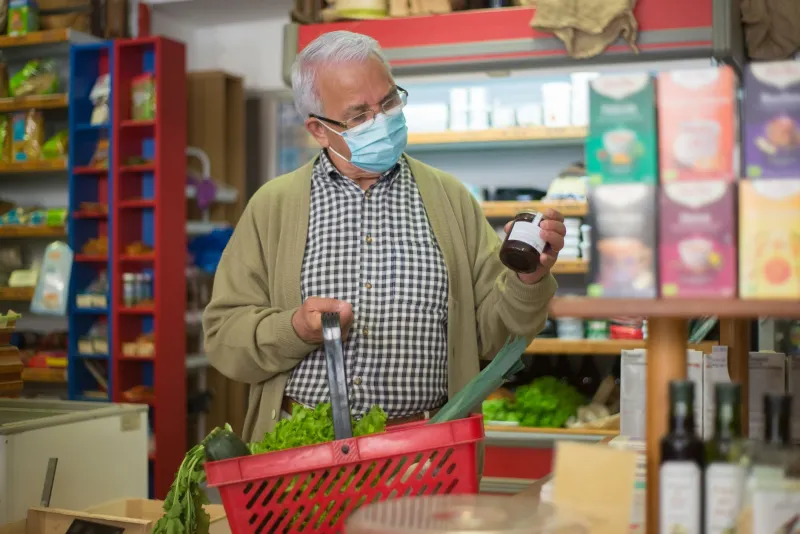
There's a quiet assumption baked into the organic shopping experience: that buying certified organic is automatically the more planet-friendly choice. No synthetic pesticides, no chemical fertilizers, no GMOs — it all sounds like a win for the environment. But flip that bag of organic quinoa over and check the fine print. Product of Peru. Product of India. Product of Mexico.
Your "clean" food has been on a journey. A long one.
This isn't a reason to ditch organic altogether — but it is a reason to think harder about what "clean" actually means to you, and whether the certification on the front of the package tells the whole story.
The Global Organic Supply Chain Is Enormous — and Largely Invisible
The U.S. organic market topped $67 billion in 2023, and a significant chunk of that comes from abroad. Organic blueberries from Chile. Organic garlic from China. Organic coffee from Colombia. Organic avocados from Mexico and Peru. This isn't a fringe phenomenon — it's the backbone of how American grocery stores keep organic shelves stocked year-round, in every region, at prices that don't send shoppers running.
The USDA's National Organic Program (NOP) certifies products regardless of where they're grown. As long as the operation meets the standards — no prohibited substances for three years, proper documentation, third-party inspection — the label is the same whether the farm is in Vermont or Vietnam.
What that label doesn't capture is the fuel burned moving those products across oceans and continents. Cargo ships, refrigerated containers, long-haul trucking, air freight for perishables — the logistics chain for internationally sourced organic produce is substantial, and none of that carbon shows up anywhere near the USDA seal.
What's the Actual Carbon Cost?
Transportation accounts for roughly 14% of global greenhouse gas emissions, and food freight is a meaningful piece of that. Shipping a pound of organic berries from South America to a distribution center in New Jersey isn't environmentally neutral just because the berries were grown without pesticides.
Researchers have found that for some food categories — particularly fresh produce — the carbon impact of long-distance transport can actually outweigh the environmental benefits of organic farming methods. A conventionally grown tomato from a farm 30 miles away might have a lower total carbon footprint than a certified organic tomato that crossed two hemispheres to reach your salad bowl.
This doesn't mean organic farming practices are irrelevant. Soil health, water quality, biodiversity, and the elimination of synthetic chemical runoff are all genuinely meaningful. But if your primary motivation for buying organic is environmental stewardship, the geography of your food supply chain matters — maybe more than you've been told.
The Local-vs.-Organic Dilemma Has No Easy Answer
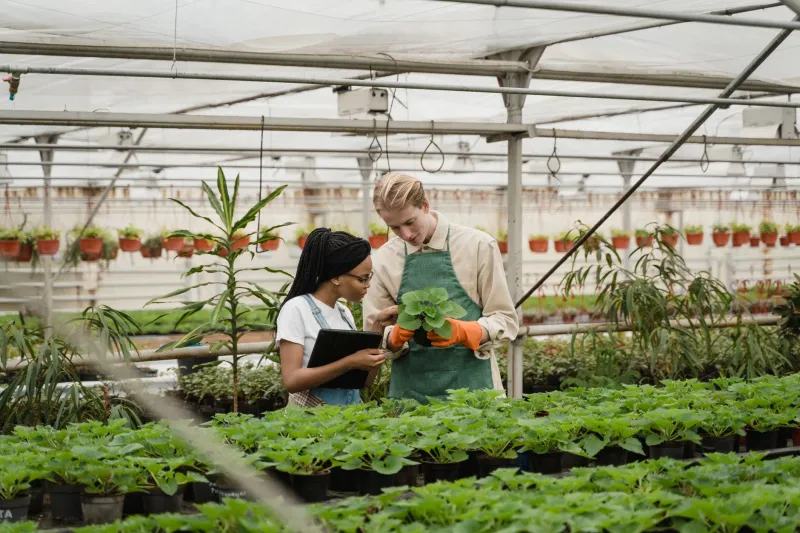
Here's where it gets genuinely complicated. Your local farmers market vendor growing tomatoes without pesticides but without certification isn't going to show up on any "organic" shelf. Certification costs money — sometimes thousands of dollars a year — and many small farms simply can't absorb that overhead, even when their practices are cleaner than some certified operations.
Meanwhile, a large certified organic operation shipping product across the country or internationally might technically meet every USDA requirement while contributing significantly to the carbon load of your food.
So what do you actually do with that information?
A few frameworks that might help:
Ask "where" before you ask "how." For fresh produce especially, proximity matters. A local, uncertified farm using minimal or no pesticides may be a more environmentally sound choice than certified organic produce that traveled 4,000 miles. Get curious about origin. It's usually on the label somewhere — or you can ask.
Organic certification matters most in specific categories. For processed foods, grains, legumes, and pantry staples, the environmental calculus shifts. A bag of dried organic lentils from Canada has a much smaller transportation footprint than fresh organic strawberries from Argentina, and the certification there is doing real work — ensuring no synthetic chemicals in the supply chain for a product you'll eat regularly.
Seasonal eating is the cheat code nobody talks about. Buying organic strawberries in January almost guarantees they came from far away. Buying them in June, depending on where you live, dramatically increases your chances of getting something grown nearby. Matching your purchases to what's actually in season locally is one of the most effective ways to reduce food miles without abandoning the organic principle.
"Certified organic" and "grown with integrity" are not synonyms. Some of the most conscientious farming happening in the U.S. right now is on small operations that can't afford certification. Farmers markets, CSA boxes, and direct-to-consumer relationships let you ask the questions that no label can answer: What do you spray, if anything? How far are we from your farm right now?
The Honest Position on International Organic
None of this means you should feel guilty about buying organic mangoes or bananas — crops that simply don't grow in most of the continental U.S. For tropical and out-of-season products, international organic sourcing is often the only option if you want to avoid conventional growing practices. And for those products, the certification is meaningful.
The problem isn't international organic food. The problem is treating "certified organic" as a one-size-fits-all environmental virtue signal without considering what else is in the picture. Supply chains are complex. Carbon footprints are multi-dimensional. And marketing — even well-intentioned marketing — tends to flatten that complexity into a simple seal on a package.
At Purely Organics, we believe clean living is a genuine goal worth pursuing — but it's most powerful when it's informed rather than reflexive. That means being willing to sit with the uncomfortable reality that some of the most environmentally responsible food choices available to you might not carry a certified organic label.
A Practical Framework for Everyday Shopping
You don't need a spreadsheet to shop better. A few simple habits can meaningfully shift the environmental impact of your food choices:
- Prioritize local and seasonal for fresh produce, even if it means occasionally choosing uncertified over certified.
- Lean into organic certification for shelf-stable and processed goods where transportation footprint is lower and certification integrity matters most.
- Use the Dirty Dozen as a guide — for the produce most heavily treated with pesticides, organic certification is doing the most protective work.
- Build relationships with local producers when you can. A conversation at a farmers market will tell you more than any label ever could.
- Don't let perfect be the enemy of good. Some organic, some local, some in-season — a mixed approach beats paralysis every time.
The goal of clean living isn't purity. It's alignment — between your values, your choices, and the real-world systems those choices support. Sometimes that means certified organic from across the globe. Sometimes it means a handshake with a farmer down the road. Usually, it means both.