Your Organic Spice Rack Is Due for a Safety Audit — Here's the 20-Minute Version
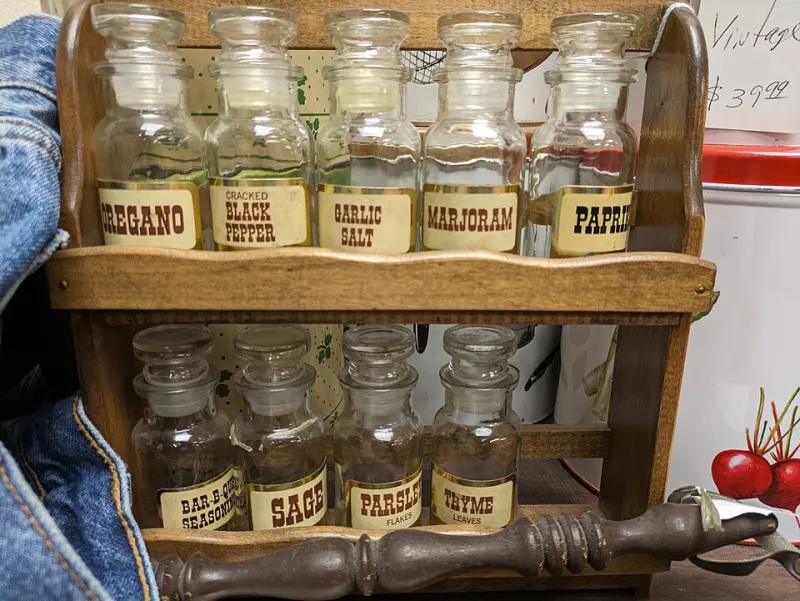
Photo: Mx. Granger, CC0, via Wikimedia Commons
You've probably audited your produce, your milk, and your meat. Maybe your coffee. Almost nobody audits the spice rack — which is strange, because ground spices are one of the highest-risk categories on the shelf and one of the least examined.
This isn't a scare piece. It's a 20-minute version of a job most people never do: pulling every jar down, checking the paper trail, and deciding what actually deserves replacing first — without tossing your whole cabinet and starting over.
Why spices sit at the top of the risk list
Three reasons, and they compound.
Heavy metals. Spices are roots, barks, seeds, and dried plant material, and plants take up what's in the soil. Lead, cadmium, and arsenic show up in spice testing regularly — most visibly in cinnamon, turmeric, and some chili powders. A widely reported 2023 round of testing on US spice products found measurable lead in a meaningful share of samples, including in brands marketed as premium. A separate cluster of cases involving cinnamon in applesauce pouches that sickened children dragged the entire category into the spotlight.
Microbial contamination. Dried spices are not sterile. Salmonella and other pathogens have triggered recalls in pepper, paprika, and sesame products repeatedly. Spices get treated before sale — steam, irradiation, or chemical fumigants — and the treatment method matters more than most labels let on.
Adulteration and fillers. Ground spices are easy to stretch and hard to eyeball. Oregano cut with olive leaves, cumin extended with ground shells, turmeric brightened with lead chromate, paprika padded with cheaper material. The study that found roughly a fifth of oregano samples on the market were adulterated is the famous example, but the practice didn't stop there.
What organic does and doesn't fix
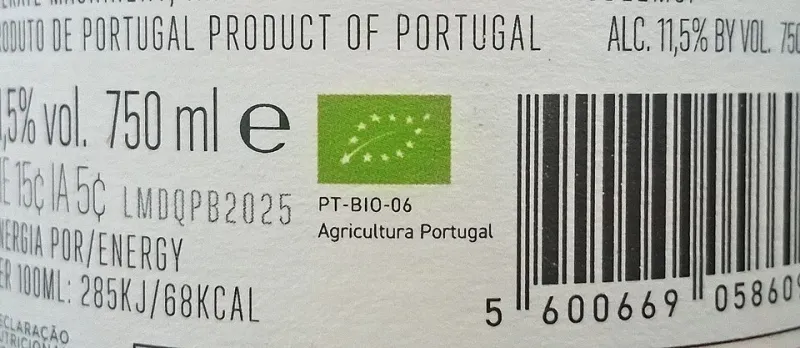
Organic certification regulates how a crop is grown — no synthetic pesticides, no sewage sludge, no irradiation, a paper trail on inputs. That's worth having.
But it does not test for lead. A spice can be grown organically in soil with naturally high heavy metal content, or irrigated with contaminated water, and still be certified organic. Organic also doesn't prevent adulteration at the grinding and packing stage, and — critically — organic certification doesn't require finished-product contaminant testing. If a jar says organic and nothing else, you know something about the farm and nothing about what's in the powder.
The other thing organic doesn't settle is the sterilization method. Irradiation is prohibited in organic, but fumigants and steam treatment are separate conversations, and labeling rules don't force much disclosure either way.
The 20-minute audit
Set a timer. Empty the rack onto the counter.
Minutes 0–5: inventory
Sort into three piles: whole spices, ground spices, and blends.
Whole spices — peppercorns, cinnamon sticks, whole cumin, cloves — are structurally safer. Small surface area, fillers are obvious, and the volatile oils survive longer. Ground spices are where the risk lives. Blends are the murkiest, because a single 'spices' line on the ingredient list hides everything.
Also check dates. If you can't find one, the jar is old enough that the flavor is already gone.
Minutes 5–10: read the origin line
Look for a country of origin. Single-origin jars are more accountable than the word 'imported' or a blank space. Note the difference between 'packed in' and 'product of' — the first tells you where the jar was filled, not where the spice grew.
Write down every jar where the origin is missing entirely. That's your starting suspect list.
Minutes 10–15: find the paper trail
This is the part that takes real work, so split it up. Phone out, and check three things for each brand you own:
- Does the company publish third-party contaminant test results — heavy metals specifically — anywhere on its site?
- Is there a stated sterilization method? Steam is the common premium claim; ethylene oxide fumigation is banned in the EU and tightly restricted here.
- Does the brand answer a direct question about lead testing? A generic 'we comply with all regulations' response is not a test result.
Two out of three is a pass. A brand with zero of three goes on the replacement list, no matter how nice the jar looks.
Minutes 15–20: build the replacement order
You are not replacing everything today. Rank your jars by how often you use them and how high-risk the spice is, then buy the top two or three. A $6 upgrade on the spice you use four times a week beats a full-cabinet overhaul you'll abandon by February.
Which jars to replace first
In rough order:
- Ground cinnamon, especially if you have kids and use it daily. Cassia (the cheap, common kind, usually labeled just 'cinnamon') runs higher in coumarin and tends to show more lead than Ceylon. Buy Ceylon if you're a heavy user.
- Ground turmeric, because of the well-documented history of lead chromate adulteration in some origins.
- Ground oregano, the classic adulteration target.
- Chili powder and paprika blends, where both heavy metals and fillers show up.
- Ground black pepper, mostly for microbial reasons.
Whole versions of the same spices are a cheap upgrade across the board: buy a grinder and you solve freshness, adulteration, and surface-area microbial risk in one move. It's also cheaper per use than it looks, since whole spices hold their flavor far longer than ground.
The short version
Organic on a spice jar answers a farming question. It doesn't answer the safety question — that comes from contaminant testing, origin transparency, and how the spice was treated before it went in the bottle. Twenty minutes with your spice rack, one browser tab, and a willingness to throw out three tired jars is a genuinely good trade.