When Doing Right by the Chicken Doesn't Quite Do Right by You
When Doing Right by the Chicken't Quite Do Right by You
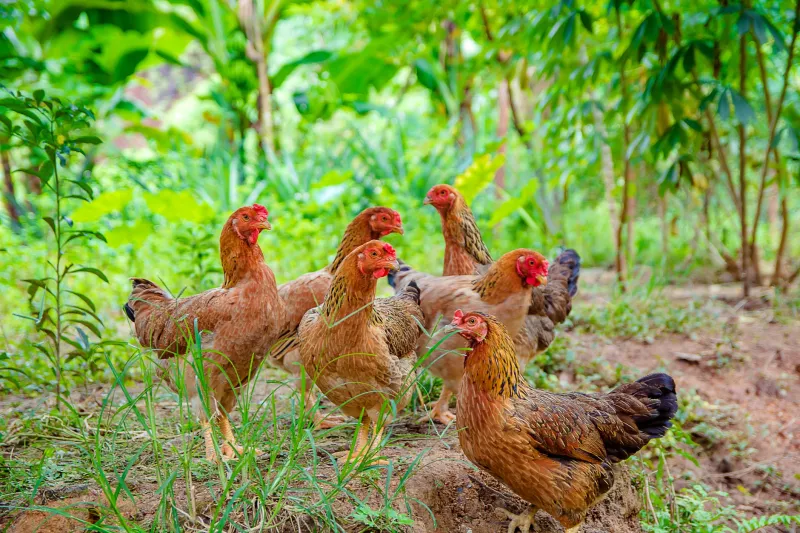
There's a certain satisfaction that comes with dropping an organic whole chicken into your cart. You picture rolling green pastures, birds strutting around in fresh air, living something resembling a real chicken life. And compared to conventional factory farming, that picture isn't entirely wrong. Organic poultry standards do require more space, outdoor access, and cleaner feed. But here's the thing nobody at the butcher counter is going to bring up: some of those very same welfare improvements may be trimming the nutritional value of the meat you bring home.
This isn't an argument against organic. It's an argument for knowing the full story — which is kind of what we're about.
The Omega-3 Situation Is More Complicated Than You'd Think
You've probably heard that pasture-raised or free-range animals tend to have better fatty acid profiles. That's generally true for cattle grazing on grass — their meat tends to be higher in omega-3s compared to grain-finished beef. People reasonably assume the same logic applies to chickens with outdoor access.
It doesn't, at least not automatically.
Chickens are omnivores, and their fatty acid content is almost entirely determined by what they eat rather than how much they move around. When organic chickens spend more time outdoors, they do forage — pecking at insects, grubs, and the occasional bit of plant matter. But here's the catch: USDA organic rules prohibit the use of synthetic amino acids in feed, which means organic feed formulations have to hit their protein targets using whole ingredients. That often means a heavier reliance on corn and soy — both of which are high in omega-6 fatty acids.
Some research suggests that organic chicken can actually end up with a less favorable omega-6 to omega-3 ratio than conventional birds fed carefully formulated diets with added fish meal or flaxseed. The outdoor access sounds like it should help, but unless the land is genuinely rich in insects and forage — and most certified organic operations don't have that kind of stocking density — the dietary impact is minimal.
Feed Restrictions and the Vitamin D Puzzle
Vitamin D is where things get genuinely interesting. Chickens, like humans, synthesize vitamin D through sun exposure. So in theory, birds with real outdoor access should have higher vitamin D levels in their meat and eggs. And some studies do support this — particularly for eggs from hens that spend meaningful time in sunlight.
The problem is seasonality and geography. An organic chicken farm in Vermont in January is not producing birds with robust sun exposure. And even in sunnier climates, the outdoor access requirements under USDA organic certification are more modest than most consumers imagine. "Outdoor access" can mean a small concrete or gravel area attached to a large indoor house — technically outdoors, practically not what you're picturing.
Feed-based vitamin D supplementation is allowed under organic rules, but it has to come from approved sources. The result is that vitamin D levels in organic chicken meat can be inconsistent and sometimes lower than in conventional chicken raised with optimized, fortified feed.
Space Requirements and Muscle Composition
Here's one that's a little counterintuitive. Organic standards require more space per bird than conventional operations — a meaningful welfare improvement. But more space and the ability to move around changes how the birds develop physically.
Chickens that move more build denser, more developed muscle tissue. That sounds like a good thing, and from a welfare standpoint it genuinely is. But it also affects texture and, in some cases, the distribution of certain nutrients. More active birds may have lower intramuscular fat, which affects both flavor and the fat-soluble vitamins (like A, D, E, and K) that are stored in that fat. Leaner meat isn't inherently less nutritious, but it can mean lower concentrations of specific micronutrients compared to birds that put on more fat through a sedentary life and calorie-dense feed.
This is a genuine trade-off, not a flaw. But it's worth understanding.
Mineral Bioavailability and the Soil Connection
Organic farming prohibits synthetic fertilizers and requires attention to soil health — and that's where there's actually a potential nutritional upside for poultry, though it's indirect. When chickens forage on organically managed land with genuinely diverse plant and microbial life, they may pick up a broader range of trace minerals. Selenium, zinc, and iron content in poultry can vary depending on feed composition and soil mineral density.
The challenge is that most organic chicken operations don't rely meaningfully on foraging for nutrition — the math just doesn't work at commercial scale. Birds are primarily fed certified organic grain, and the mineral content of that grain depends on where and how it was grown. Organic grain from depleted soil isn't automatically more mineral-dense than conventional grain from well-managed land.
So the mineral story is mixed: organic can mean better mineral bioavailability, but it depends heavily on the specific farm's practices, not just the certification.
So What Are You Actually Paying For?
None of this means organic chicken is a bad choice. The welfare improvements are real and meaningful. The absence of synthetic pesticides in the feed matters. The prohibition on routine antibiotic use is significant from a public health standpoint. These are legitimate reasons to choose organic.
But if your primary motivation is nutritional density — specifically omega-3s, vitamin D, or specific micronutrients — the organic label alone isn't a reliable guide. You'd be better served looking for chicken that specifies pasture-raised with meaningful acreage per bird, or sourcing from farms that supplement feed with flaxseed or fish meal (which is allowable under organic rules if the source is certified).
The brands that are transparent about their feed composition and actual stocking density are the ones worth trusting. A label that says "organic" tells you something. A label that tells you the square footage per bird, the feed ingredients, and where the farm is located tells you a lot more.
The Takeaway for Conscious Shoppers
Organic chicken is a better choice than most conventional options for reasons that go well beyond nutrition — animal welfare, antibiotic stewardship, and reduced pesticide exposure are all real wins. But the nutritional premium you might be expecting isn't guaranteed by the certification alone.
If you're buying organic chicken for the ethics, you're on solid ground. If you're buying it specifically to max out your omega-3 intake, you might want to pair that bird with some wild salmon or throw some walnuts on your salad. And if you want the full picture — welfare and nutrition — look for smaller farms that publish their feed specs and give you an actual sense of how their birds live.
Clean living is rarely as simple as a single label. But that's exactly why it's worth digging in.