Clean Food, Dirty Packaging: The Plastic Problem Hiding Inside Your Organic Grocery Haul
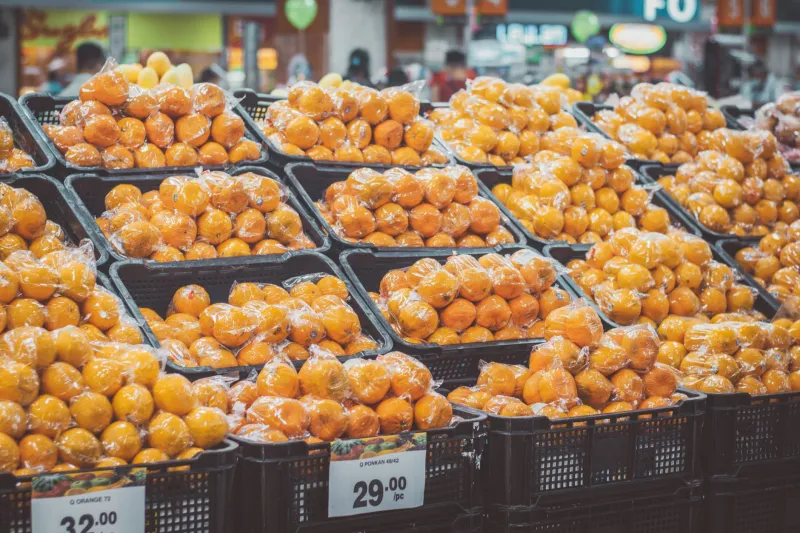
There's a particular kind of cognitive dissonance that hits when you unpack a week's worth of organic groceries. You've got your hormone-free yogurt in a #5 polypropylene tub, your cold-pressed juice in a shrink-wrapped plastic bottle, your USDA-certified organic salad mix sealed inside a clamshell that'll take roughly 450 years to break down. The food inside is clean. The container it came in? That's a whole different conversation.
This isn't a small irony. It's a structural contradiction baked into the modern organic food industry — and it's worth understanding before you assume that buying organic automatically means you're making the most environmentally responsible choice at the checkout line.
Why Organic and Plastic Ended Up in the Same Cart
Organic certification, at its core, is about what goes into the food. It governs farming practices, synthetic inputs, antibiotic use, and soil management. What it doesn't govern — not even slightly — is how that food gets packaged after it leaves the farm.
That regulatory gap is significant. The USDA's National Organic Program has no requirements around packaging materials. A brand can earn and maintain full organic certification while heat-sealing its products into multilayer plastic pouches that can't be recycled anywhere in the continental US. And many do, because plastic is cheap, lightweight, extends shelf life, and keeps products looking pristine on store shelves.
For smaller organic brands trying to compete with conventional food companies on price, cutting corners on packaging isn't laziness — it's often a financial survival decision. Glass costs more. Compostable packaging costs more. Designing for refill or bulk distribution costs a lot more. So the path of least resistance is the same one conventional brands have been walking for decades: petroleum-based plastic, as much as needed, as cheap as possible.
The Brands That Are Actually Doing Something Different
Not every organic company is sitting on its hands here, and it's worth calling out the ones making genuine progress rather than just greenwashing their way through a rebrand.
Alter Eco has been one of the more credible voices in sustainable packaging within the organic space. Their commitment to compostable wrappers for chocolate products — made from plant-based cellulose rather than conventional foil-plastic laminates — has been independently verified rather than just self-declared. It's not perfect, and compostable packaging only works if you have access to industrial composting facilities, but the direction is right.
Organic Valley, one of the larger players in organic dairy, has publicly committed to transitioning toward more recyclable packaging formats and has been transparent about where they're still falling short. That kind of honesty matters. It's more useful to consumers than a vague pledge buried in a sustainability report.
Stonyfield Organic has made moves toward using less plastic overall and has invested in packaging made with post-consumer recycled content — not a perfect solution, but a meaningful step away from virgin plastic dependency.
On the retail side, stores like Whole Foods and co-ops such as the National Co+op Grocers network have expanded bulk sections specifically to reduce single-use packaging for organic staples like grains, nuts, legumes, and spices. That infrastructure matters enormously for consumers who want to opt out of the plastic cycle altogether.
The Honest Conversation Suppliers Don't Love Having
When you push organic food companies on their packaging choices, the answers tend to follow a predictable pattern. First comes the acknowledgment that yes, it's a problem. Then comes the explanation of cost barriers. Then comes a roadmap that's heavy on aspiration and light on binding timelines.
What's often missing from that conversation is accountability to the consumer who already paid a premium for a product they believed was better. If you're charging $8 for a bag of organic trail mix, the argument that compostable packaging is too expensive starts to feel thin. The margin exists somewhere in that price point. The question is whether packaging sustainability is being treated as a genuine priority or as a line item that keeps getting cut when quarterly numbers get tight.
To be fair, some of the barriers are real and systemic. Compostable packaging is only useful if consumers can access industrial composting. Recyclable packaging only works if local municipal systems actually accept and process it — and in many parts of rural and suburban America, they don't. The infrastructure gap is a legitimate obstacle that no single brand can solve on its own.
But that doesn't mean consumers should stop asking the question.
What You Can Actually Do Right Now
Let's get practical, because the goal here isn't to make you feel guilty about your grocery cart — it's to give you real options.
Prioritize bulk when it's available. If your local grocery store, co-op, or natural foods retailer has a bulk section, lean into it hard for organic staples. Oats, quinoa, lentils, almonds, dried fruit, coffee, and spices are all commonly available in bulk organic formats. Bring your own containers or bags and you've essentially eliminated the packaging footprint for those items entirely.
Look for glass over plastic when the price difference is manageable. Organic nut butters, pasta sauces, and condiments often come in glass jars that are infinitely recyclable. It's not always cheaper, but it's usually not dramatically more expensive either.
Check the resin code before you assume something is recyclable. That little number inside the recycling symbol on the bottom of a container tells you what type of plastic it is. Numbers 1 (PET) and 2 (HDPE) are accepted by most curbside programs. Numbers 3 through 7 are largely not, regardless of what the packaging implies. Don't let a recycling symbol on a label substitute for actually checking.
Support brands that publish real packaging data. If a company's sustainability page is full of feel-good language but no specific metrics, percentages, or timelines, treat that as a signal. Brands doing genuine work on packaging tend to have specific numbers they're willing to put in writing.
Use the refill economy where it exists. Services like Grove Collaborative and a growing number of regional organic brands now offer refill pouches, concentrate formats, or mail-back programs for packaging return. These aren't available everywhere, but they're expanding.
The Bigger Picture
Buying organic is still worth doing. The benefits to soil health, farmworker safety, and your own chemical exposure are real and documented. But organic certification was never designed to be a complete ethical scorecard — it's one piece of a much larger puzzle.
Packaging is the piece the industry has been slow to pick up. As a consumer, your purchasing decisions, your questions to brands, and your support for retailers who invest in bulk and refill infrastructure are all part of what moves that needle. Clean food deserves clean packaging. The gap between those two things is closeable — it just requires more people deciding it's worth closing.